EICR Certificate

Real EICR Report Example (2026): What an Electrical Safety Certificate Actually Looks Like

EICR Faults & Failures,EICR Guide
Home / EICR Faults & Failures / Real EICR Report Example (2026): What an Electrical Safety Certificate Actually Looks Like
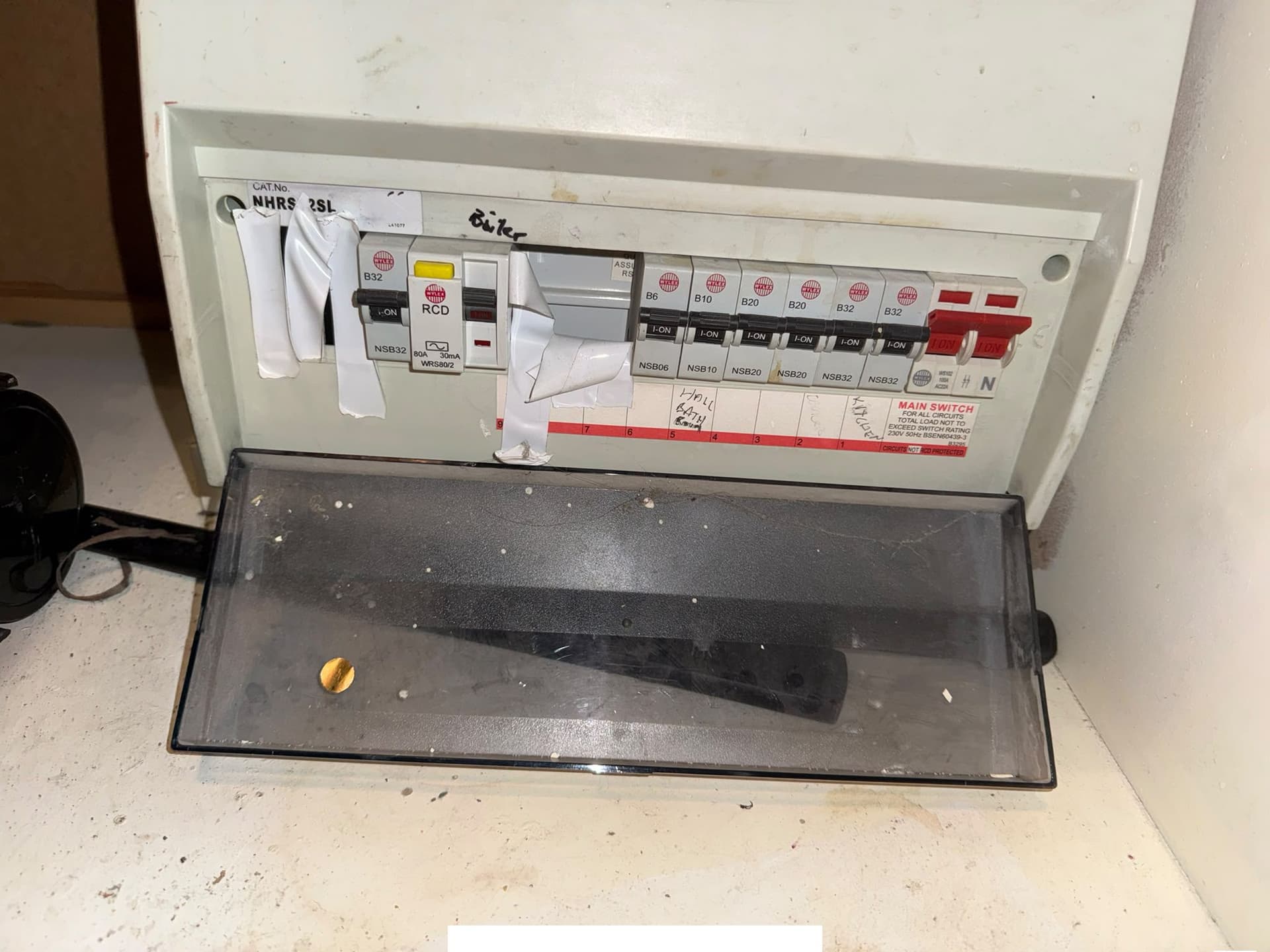
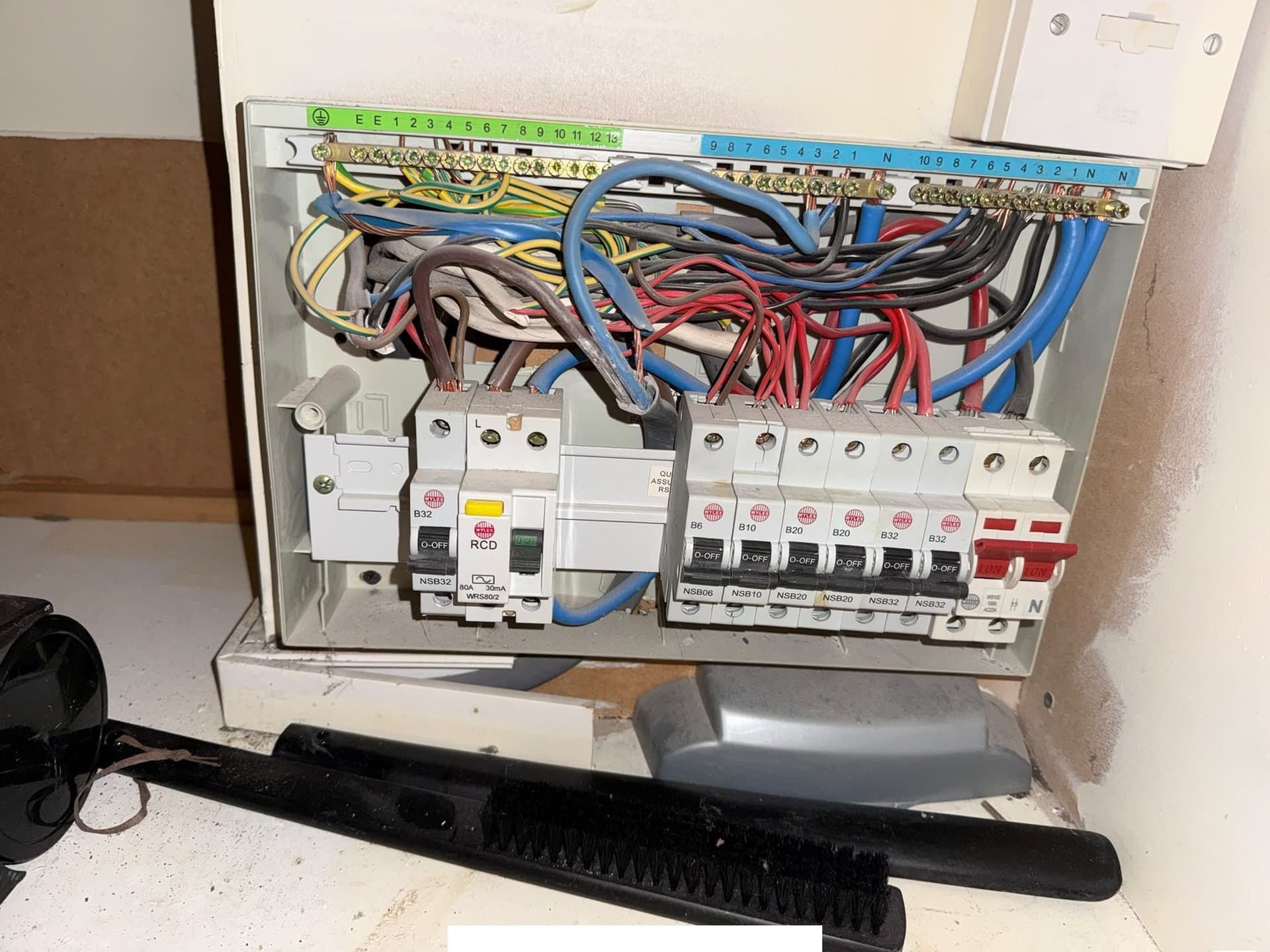
Real EICR report example 2026 showing an electrical safety certificate, test meter and consumer unit in London.

Real EICR Report Example (2026)

What an Electrical Safety Certificate Actually Looks Like

If you have ever searched for a real EICR report example, you are probably trying to figure out one of a few things.

Maybe a tenant, landlord, letting agent, buyer, or solicitor has asked you for an EICR certificate and you want to know what it actually looks like before booking. Maybe you have already had an inspection completed and now you are staring at a document full of codes, observations, and technical wording that makes no sense. Or maybe you are comparing electricians and want to understand exactly what you are paying for.

That is where this guide comes in.

In this article, we will show you what a real Electrical Installation Condition Report is supposed to contain, what each part means, how to tell if the result is satisfactory or unsatisfactory, and what happens next if faults are found. We will also explain the difference between an EICR report and the phrases people often use online such as electrical safety certificate, electrical test certificate, and landlord electrical certificate.

If you need a fast, fixed-price inspection, you can book directly through our Book Online page or explore all of our EICR services in London first.


What Is an EICR Report?

An EICR, short for Electrical Installation Condition Report, is a formal document issued after a qualified electrician inspects and tests the fixed electrical installation in a property.

This includes things such as:

  • consumer units

  • fuse boards

  • sockets

  • lighting circuits

  • earthing and bonding

  • wiring condition

  • protective devices

  • circuit integrity

  • safety compliance under current standards

The report is designed to show whether the installation is safe for continued use at the time of inspection.

In everyday language, a lot of people call it:

  • an EICR certificate

  • an electrical safety certificate

  • a landlord electrical certificate

  • an electrical inspection report

  • an electrical installation condition report certificate

They are usually referring to the same thing.

If you want a broader overview first, check our guide on how to read and understand an EICR report.


Why People Search for a Real EICR Report Example

This is actually one of the best-intent searches in the EICR space.

Someone typing sample EICR report or what does an EICR report look like is usually not just casually browsing. They are often:

  • about to book an inspection

  • trying to understand a failed report

  • preparing a rental property for compliance

  • buying or selling a flat or house

  • checking what their electrician should provide

  • comparing prices and quality before ordering

That makes this topic super strong for both authority and conversion.

If your next step is pricing, our EICR certificate cost page breaks down what affects the price in London.


What a Real EICR Report Example Usually Contains

A proper EICR report example is not just one page with a pass or fail line on it. A real document normally includes several sections, often spread over multiple pages depending on the size of the property and the number of circuits.

Below is the type of structure you would usually expect.

1. Client and Property Details

This part identifies the property being inspected and the person or organisation instructing the work.

It may include:

  • client name

  • property address

  • occupancy type

  • purpose of report

  • date of inspection

  • extent and limitations of the inspection

This matters because the report is site-specific. An EICR belongs to that installation at that time, not just to the owner.

2. Details of the Electrical Installation

This section provides technical information about the property’s electrical system.

It may mention:

  • supply characteristics

  • earthing arrangement

  • number of consumer units

  • number of circuits

  • type of protective devices

  • presence of RCD protection

  • bonding arrangements

For landlords, homeowners, and agents in London, this section is important because it gives a clear snapshot of the installation’s overall setup.

3. Summary of the Condition

This is one of the most important parts because it tells you whether the report is:

  • Satisfactory

  • Unsatisfactory

A satisfactory result means the installation is considered safe for continued use at the time of inspection.

An unsatisfactory result means faults were identified that require attention.

4. Observations and Recommendations

This is where the electrician records defects, risks, and non-compliances.

Each observation is given a code such as:

  • C1

  • C2

  • C3

  • FI

We will explain these codes properly later in this post.

5. Schedule of Inspections

This section records what has been visually inspected.

It often covers:

  • consumer unit condition

  • access to live parts

  • suitability of protective devices

  • socket condition

  • bonding

  • cable identification

  • labelling

  • signs of damage or overheating

6. Schedule of Test Results

This is the more technical side of the report. It includes actual measurements taken during testing.

It may include:

  • continuity readings

  • insulation resistance

  • polarity

  • earth fault loop impedance

  • RCD trip times

  • circuit breaker information

This is one of the main reasons an EICR is not just a quick visual check. It involves actual testing and recorded data.


Simple Visual Breakdown of a Real EICR Report

Here is a simplified chart-style breakdown of what most reports contain:

Section of Report What It Shows Why It Matters
Client Details Owner, agent, landlord or tenant info Confirms who instructed the report
Property Address Exact inspected location Ties report to the correct property
Installation Details Earthing, supply, consumer unit details Gives technical system overview
Overall Result Satisfactory or Unsatisfactory Quick safety outcome
Observations Faults and issues found Shows what needs attention
Inspection Schedule Visual inspection items Confirms what was checked
Test Results Electrical measurements Evidence-based safety testing
Next Inspection Date Recommended retest period Helps compliance planning

This is why a proper electrical installation condition report example looks more technical and structured than most people expect.


What Does an EICR Certificate Actually Look Like?

A real EICR certificate example usually looks like a professional multi-page technical form rather than a flashy branded certificate.

A lot of customers expect something simple like a one-page “pass certificate” with a big green tick. That is not how a real Electrical Installation Condition Report works.

A genuine EICR typically includes:

  • professional form layout

  • installation details

  • coded observations

  • pages of circuit data

  • inspection signatures

  • dates

  • recommendations

So when people search what does an electrical safety certificate look like, the honest answer is this:

It looks more like a structured inspection report than a decorative certificate.

That said, many electricians and companies still refer to it commercially as an electrical safety certificate because that is how customers search for it.

If you are booking for a rental property, see our dedicated EICR certificates for landlords in London page.

If the property is owner-occupied, our EICR certificates for homeowners in London page is more relevant.


Satisfactory vs Unsatisfactory: What It Means

This is the part most people care about most.

Satisfactory

A satisfactory result means no dangerous or potentially dangerous defects were found that would make the installation unsafe for continued use.

That does not always mean the installation is perfect or brand new. It means it meets the safety threshold required at the time of inspection.

You may still see improvement recommendations on a satisfactory report.

Unsatisfactory

An unsatisfactory result means one or more issues were found that require action.

This is usually because the report contains:

  • C1 observations

  • C2 observations

  • FI observations

If your report is unsatisfactory, the next step is normally remedial work followed by written confirmation that the issues were corrected.

If that has happened to your property, our remedial works for failed EICR certificates page explains the next stage.


EICR Codes Explained Properly

If you have ever looked at a report and seen C1, C2, C3, or FI, you are not alone in thinking, “what the hell does this actually mean?”

Here’s the clean version.

C1: Danger Present

This means there is an immediate danger to people using the installation.

Examples could include:

  • exposed live parts

  • serious damage allowing direct contact with live conductors

  • major safety defects presenting immediate risk

A C1 issue needs urgent action.

C2: Potentially Dangerous

This means the installation is not immediately dangerous at the exact second of inspection, but there is a significant enough risk that it still fails the report.

Examples may include:

  • lack of required RCD protection in certain situations

  • missing bonding

  • serious deterioration

  • unsafe accessory condition

C2 also results in an unsatisfactory EICR.

C3: Improvement Recommended

A C3 does not fail the report on its own.

It means the installation could be improved to better align with current standards, but it is not considered unsafe enough to make the report unsatisfactory.

Examples may include:

  • older but serviceable equipment

  • minor upgrades that would improve safety

  • outdated labelling

FI: Further Investigation Required

FI means the inspector has reason to believe there may be a hidden issue that needs further investigation before a full conclusion can be reached.

This is not something to ignore.


Quick Code Reference Chart

Code Meaning Does It Fail the EICR?
C1 Danger present Yes
C2 Potentially dangerous Yes
C3 Improvement recommended No
FI Further investigation required Yes

This is one of the biggest reasons people search for an EICR report example. They want to understand whether the wording on their report is serious or just advisory.


Example Scenario 1: Satisfactory EICR Report

Imagine a modern one-bedroom flat in London with:

  • a reasonably modern consumer unit

  • RCD protection present

  • acceptable test results

  • no dangerous defects

  • only minor recommendations

The report may show:

  • Overall Outcome: Satisfactory

  • Observation Code: maybe one or two C3 items

  • Recommendation: consider future improvements, but no urgent remedial works required

This is the type of outcome landlords and homeowners obviously want.

If you want to book this type of inspection quickly, start with our EICR services page or go straight to Book Online.


Example Scenario 2: Unsatisfactory EICR Report

Now imagine an older rental flat with:

  • no RCD protection on certain circuits

  • broken socket accessories

  • missing bonding

  • poor consumer unit labelling

  • signs of deterioration

The report may show:

  • Overall Outcome: Unsatisfactory

  • Observation Codes: C2, maybe FI

  • Recommendation: remedial work required before compliance can be confirmed

This is common in older London properties, especially where installations have been extended or altered over time.

For commercial properties, the same logic applies, just on a larger scale. If that is your situation, see our Commercial EICR Certificates in London page.


What an Electrician Is Actually Testing During an EICR

A good electrician is not guessing. A proper EICR includes both inspection and testing.

Here are some of the areas typically checked:

Visual Inspection

  • condition of sockets and switches

  • signs of damage, burning or overheating

  • accessibility of equipment

  • consumer unit condition

  • cable entry and enclosure integrity

  • earthing and bonding presence

  • identification and labelling

  • suitability of protective devices

Electrical Testing

  • continuity of conductors

  • insulation resistance

  • polarity

  • earth fault loop impedance

  • RCD performance

  • circuit verification

  • disconnection times

  • protective conductor integrity

This is why a very cheap quote should always be treated carefully. A rushed or poor-quality inspection can miss serious issues and leave you with a worthless report.

You can compare more pricing context on our EICR certificate cost page.


What Makes a Good EICR Report Example Useful?

A useful report example should do more than show a form. It should help the reader understand what each section actually means in real life.

The best examples explain:

  • where to find the overall result

  • what the codes mean

  • which issues fail the report

  • whether remedial work is required

  • when the next inspection is due

  • what a landlord or homeowner should do next

A weak page just shows a document image and leaves the user confused.

A strong page, like this one, turns confusion into action.


How Landlords Can Use an EICR Report Properly

For landlords in London, this document is not just paperwork. It is a compliance and risk-management tool.

A proper EICR helps landlords:

  • meet legal responsibilities

  • reduce risk of electrical incidents

  • provide evidence of inspection

  • identify faults before tenants complain

  • avoid last-minute panic before a new tenancy

  • plan remedial work properly

If you are renting out property in London, this service should not be treated as optional admin.

You can learn more on our Landlord EICR Certificates page.


How Homeowners Benefit From an EICR Report

A lot of owner-occupiers assume EICRs are only for landlords. That is not true.

Homeowners use EICRs when:

  • buying a property

  • selling a property

  • planning renovations

  • checking old wiring

  • investigating repeated electrical faults

  • wanting reassurance about safety

An EICR can reveal hidden issues long before they become expensive emergencies.

If that sounds relevant, visit our Homeowner EICR page.


How Long Does an EICR Report Usually Take to Produce?

The inspection time depends on:

  • property size

  • number of circuits

  • accessibility

  • condition of installation

  • occupancy

  • whether power can be safely isolated

As a rough guide:

Property Type Typical Inspection Time
Studio / 1 bed flat 1 to 2 hours
2 to 3 bed flat or house 2 to 4 hours
Larger houses 4+ hours
Commercial units varies depending on size and circuit complexity

The report is then compiled and issued after testing and review.


What Happens After a Failed EICR?

This is where a lot of people panic, but the process is actually pretty straightforward when handled properly.

Step 1: Review the Observations

Check which faults were coded C1, C2, C3, or FI.

Step 2: Prioritise Safety

Immediate or potentially dangerous faults should be addressed quickly.

Step 3: Arrange Remedial Works

A qualified electrician corrects the issues listed in the report.

Step 4: Obtain Written Confirmation

After the remedial works are complete, you should receive confirmation that the installation has been brought to a satisfactory standard where applicable.

Step 5: Keep Records

Store the report and any remedial documentation safely.

If your property has already failed, our remedial works page is the next logical step.


Common Misunderstandings About EICR Reports

“If it’s not brand new, it will fail”

Not true. Older installations can still receive a satisfactory result if they are safe.

“Any recommendation means it failed”

Wrong. A C3 improvement recommendation on its own does not fail the report.

“An EICR is just a visual check”

Also wrong. Proper testing is a core part of the process.

“A cheap certificate is the same as a proper inspection”

Definitely not. Some ultra-cheap offers can mean rushed inspections, low testing quality, or weak reporting.

“The report is only useful for landlords”

No. Homeowners, buyers, sellers, and businesses all use EICRs too.


What a Good London EICR Company Should Provide

When choosing a provider for your electrical safety certificate in London, look for:

  • clear fixed pricing where possible

  • experienced inspectors

  • proper report format

  • clear explanation of results

  • realistic booking times

  • remedial works support if needed

  • easy access to help if you have questions

At London EICR Certificates, we focus on making the process straightforward for landlords, homeowners, agents, and businesses across London.

You can explore our full service offering here:


Real-World Example: Why This Report Matters

Let’s say a landlord in North London is preparing for a new tenancy. The previous tenant has moved out, and the agent wants all compliance sorted before marketing begins.

The landlord books an EICR.

The electrician inspects the flat and finds:

  • broken accessory on one socket

  • missing main bonding

  • no RCD protection on a circuit serving socket outlets likely to supply portable outdoor equipment

  • test results otherwise acceptable

The report comes back unsatisfactory because of the C2 issues.

Without the report, the landlord might never have known there were defects serious enough to affect safety and compliance. Once the remedial work is completed, the property is in a much better position for letting.

That is the real value of an EICR. It is not just a document. It is a decision-making tool.


EICR Report Example vs Electrical Safety Certificate vs Test Certificate

This confuses loads of people, so let’s clear it up.

Term What People Usually Mean
EICR Report Full Electrical Installation Condition Report
EICR Certificate Common customer phrase for the EICR
Electrical Safety Certificate Informal phrase often used for EICR
Electrical Test Certificate Can refer to EICR or other electrical certification depending on context

So if someone says, “I need an electrical safety certificate,” they often mean they need an EICR certificate.


When You Should Book an EICR in London

You should consider booking an inspection if:

  • you are a landlord preparing for a tenancy

  • you are buying or selling a property

  • your wiring is old

  • you are experiencing recurring electrical faults

  • you want reassurance for a family home

  • you manage a commercial property

  • you have not had the installation checked in years

You can also view our areas we cover if you want to confirm service availability in your part of London.


Why This Topic Builds Real Authority

This kind of article is powerful because it is practical.

There are already loads of generic blogs online saying “an EICR is important.” That alone is not enough anymore.

What users actually want is:

  • proof

  • examples

  • clarity

  • visual explanation

  • what happens next

That is why a real EICR report example page can bring in more qualified traffic than another fluffy general guide.


Need an EICR Certificate in London?

If you need a professional inspection for a flat, house, rented property, or commercial premises, we can help.

Our service is built for:

  • landlords

  • homeowners

  • estate and letting agents

  • property managers

  • business owners

You can start here depending on your situation:


Final Thoughts

If you came here searching for a sample EICR report, electrical installation condition report example, or wondering what an electrical safety certificate actually looks like, the key takeaway is simple.

A real EICR is a structured technical inspection report that tells you whether your property’s electrical installation is safe for continued use at the time of inspection. It includes client details, installation information, inspection results, coded observations, and a final outcome of satisfactory or unsatisfactory.

Once you understand how to read it, the document stops feeling intimidating and starts becoming useful.

And if you still need help, that is exactly what we are here for.

Visit London EICR Certificates to arrange your inspection or book directly through our online booking page.

❓Real EICR Report Example FAQ: Understanding Your Electrical Safety Certificate in 2026❓

1. What does a real EICR report actually look like?

A real EICR report usually looks like a multi-page technical document rather than a simple one-page certificate. It includes the property details, client information, electrical installation summary, inspection observations, test results, fault codes, and the final outcome showing whether the installation is satisfactory or unsatisfactory.

2. Is an EICR the same as an electrical safety certificate?

In most cases, yes. Many landlords, homeowners, and estate agents use the phrase electrical safety certificate when they are talking about an EICR. The formal name is Electrical Installation Condition Report, but both terms are often used to describe the same inspection document.

3. What is included in an Electrical Installation Condition Report?

An Electrical Installation Condition Report normally includes client and property details, the extent of the inspection, information about the consumer unit and circuits, a schedule of inspections, a schedule of test results, recorded observations, fault codes, and the overall result of the inspection.

4. What do C1, C2, C3 and FI mean on an EICR report?

These are the observation codes used by the inspecting electrician. C1 means danger present and needs immediate action. C2 means potentially dangerous and usually causes the report to fail. C3 means improvement recommended and does not fail the report by itself. FI means further investigation is required because a possible hidden issue has been identified.

5. What is the difference between a satisfactory and unsatisfactory EICR?

A satisfactory EICR means no dangerous or potentially dangerous faults were found during the inspection. An unsatisfactory EICR means the electrician has identified issues serious enough to require action, usually because of C1, C2, or FI observations.

6. Can a property still pass an EICR if it has C3 observations?

Yes, it can. A C3 observation means an improvement is recommended, but it does not make the report unsatisfactory on its own. Many older properties in London receive satisfactory EICRs with one or more C3 recommendations listed on the report.

7. How many pages is a normal EICR report?

That depends on the size of the property and the number of circuits. A small flat may have a shorter report, while a larger house, HMO, office, shop, or commercial unit can have a much longer report with more inspection details and test results.

8. What happens if my EICR report is unsatisfactory?

If your EICR report is unsatisfactory, the next step is usually to review the faults, arrange the required remedial work, and then obtain written confirmation that the issues have been corrected. In some cases, a further inspection or additional testing may also be needed depending on the defects recorded.

9. How long does it take to receive an EICR report after the inspection?

This can vary depending on the size and complexity of the property, but many EICR reports are issued shortly after the inspection once the testing data has been reviewed and the report has been completed properly. Larger or more complex properties may take longer.

10. Who needs an EICR certificate in London?

EICR certificates are commonly needed by landlords, homeowners, buyers, sellers, letting agents, property managers, and commercial property owners. They are useful for legal compliance, safety checks, property transactions, maintenance planning, and general peace of mind.

Please Submit Details Below

For your convenience, you can also fill out our online contact form below. Please provide as much detail as possible, and a member of our team will get back to you promptly.
Select Certificate Type:
Tags :
EICR Certificates,EICR Inspection
Share This :