

Understanding EICR Certificate Cost for Commercial Property and Why It’s Worth Every Penny
EICR Certificate
15 October 2025

Business owners managing commercial premises in the city of London often question the expense associated with electrical safety inspections. The EICR certificate cost for commercial property varies depending on multiple factors including property size, electrical system complexity, and the type of commercial operation conducted on site. Understanding these cost drivers helps property managers budget appropriately and recognise the value of thorough electrical testing.
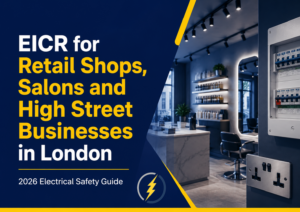
Commercial properties require more comprehensive electrical inspections than residential buildings due to higher electrical demands and stricter safety obligations. The EICR certificate cost for commercial property reflects the detailed nature of these inspections, which examine everything from distribution boards to emergency lighting systems. Businesses operating retail spaces, offices, warehouses, or hospitality venues each face different inspection requirements that influence the final price.
What Influences Commercial EICR Pricing
- Property Size and Electrical Load: Larger commercial premises with extensive electrical installations naturally require more time to inspect them thoroughly. A small retail unit with basic circuits will cost considerably less than a multi-storey office building with complex electrical systems. Inspectors must examine every circuit, outlet, and electrical component, which takes longer in properties with higher electrical loads and more sophisticated installations.
- Type of Commercial Operation: The nature of business activities conducted on premises affects inspection complexity and duration. Restaurants with heavy kitchen equipment, manufacturing facilities with machinery, and medical practices with specialised equipment all require different levels of scrutiny. Inspectors assess electrical systems based on how they’re used, checking that installations can safely handle the specific demands of each commercial operation.
- Age and Condition of Wiring: Older commercial buildings with outdated electrical systems require more detailed examination than newer properties with modern installations. Inspectors spend additional time testing older wiring, checking for deterioration, and identifying potential hazards. Properties that haven’t been inspected regularly or have visible electrical issues may need extended inspection time to thoroughly assess all safety concerns.
Legal Compliance Requirements for Businesses
- The Electricity at Work Regulations 1989: Commercial property owners must ensure their electrical systems remain safe and properly maintained. These regulations place legal responsibility on business operators to conduct regular inspections and address any electrical defects promptly. Non-compliance can result in prosecution, substantial fines, and potential closure of premises if serious hazards are identified.
- Insurance and Liability Protection: Valid electrical certificates provide essential proof that businesses have fulfilled their duty of care obligations. Insurance companies often require current EICR documentation as a condition of coverage. Without proper certification, businesses risk policy invalidation if electrical faults cause fires, injuries, or property damage, leaving them financially exposed to claims.
Common Cost Variables in Commercial Testing
- Property access arrangements affect inspection scheduling and duration. Sites requiring out-of-hours testing or multiple visits to avoid business disruption typically incur higher costs due to inspector availability constraints.
- Emergency lighting and fire alarm systems require additional testing time. These critical safety systems must be thoroughly examined as part of commercial EICR inspections, adding to the overall inspection scope.
- Three-phase power systems common in commercial premises need specialised testing equipment. Properties with industrial electrical installations require inspectors with additional qualifications and more sophisticated testing apparatus.
- Shared electrical services in multi-tenanted buildings create complexity. Inspectors must determine responsibility boundaries and coordinate access to communal electrical infrastructure, which extends inspection timeframes.
Long-Term Value Beyond Initial Expense
- Preventing Costly Electrical Failures: Regular EICR testing identifies developing faults before they cause expensive equipment damage or business interruption. Electrical failures can shut down operations for days, resulting in lost revenue far exceeding the cost of preventative inspections. Early detection of issues like overloaded circuits, faulty earthing, or deteriorating connections prevents catastrophic failures that disrupt trading.
- Reducing Energy Waste: Inspections often reveal inefficiencies in electrical systems that increase operating costs unnecessarily. Faulty wiring, poor connections, and outdated equipment all contribute to higher electricity consumption. Addressing these issues following EICR recommendations can reduce energy bills substantially over time, offsetting the inspection investment through lower running costs.
- Protecting Business Reputation: Electrical incidents causing injury to staff or customers can devastate a business’s reputation permanently. The reputational damage from preventable electrical accidents far outweighs any savings from skipping regular inspections. Maintaining current EICR certification demonstrates professional commitment to safety, which reassures employees, customers, and business partners.
Budgeting for Commercial Electrical Safety
- Inspection Frequency Planning: Most commercial properties require EICR testing every five years, though higher-risk premises may need more frequent inspections. Businesses should incorporate these costs into long-term maintenance budgets rather than treating them as unexpected expenses. Properties with heavy electrical usage or older installations benefit from more frequent testing to catch problems early.
- Remedial Work Considerations: Budget planning should account for potential remedial work following inspections. Properties that receive unsatisfactory EICR results must address identified defects promptly to maintain compliance. Setting aside contingency funds for electrical repairs ensures businesses can resolve issues quickly without disrupting operations or compromising safety standards.
Conclusion
Commercial property owners who view EICR testing as an investment rather than an expense recognise its role in protecting their business operations and reputation. The cost of professional electrical inspections pales against the potential consequences of electrical failures, legal non-compliance, or safety incidents. Schedule a comprehensive EICR assessment to ensure your commercial premises meet current safety standards and protect your business interests effectively.
Featured Image Source: https://media.gettyimages.com/id/1339795200/photo/close-up-technician-repairing-gas-furnace-using-digital-tablet.jpg?s=612×612&w=0&k=20&c=PqCwFLNVW57H0CQBkICGlHfUC97qnECT797YQVf8p6M=
24/7 Emergency Service
Find answers to common questions about EICR certificates and electrical safety inspections in London. Visit our FAQ page on EICRcertificates.com for more information.


