
EICR Certificate
22 June 2026
EICR for Luxury London Properties: Why High-End Homes Still Fail
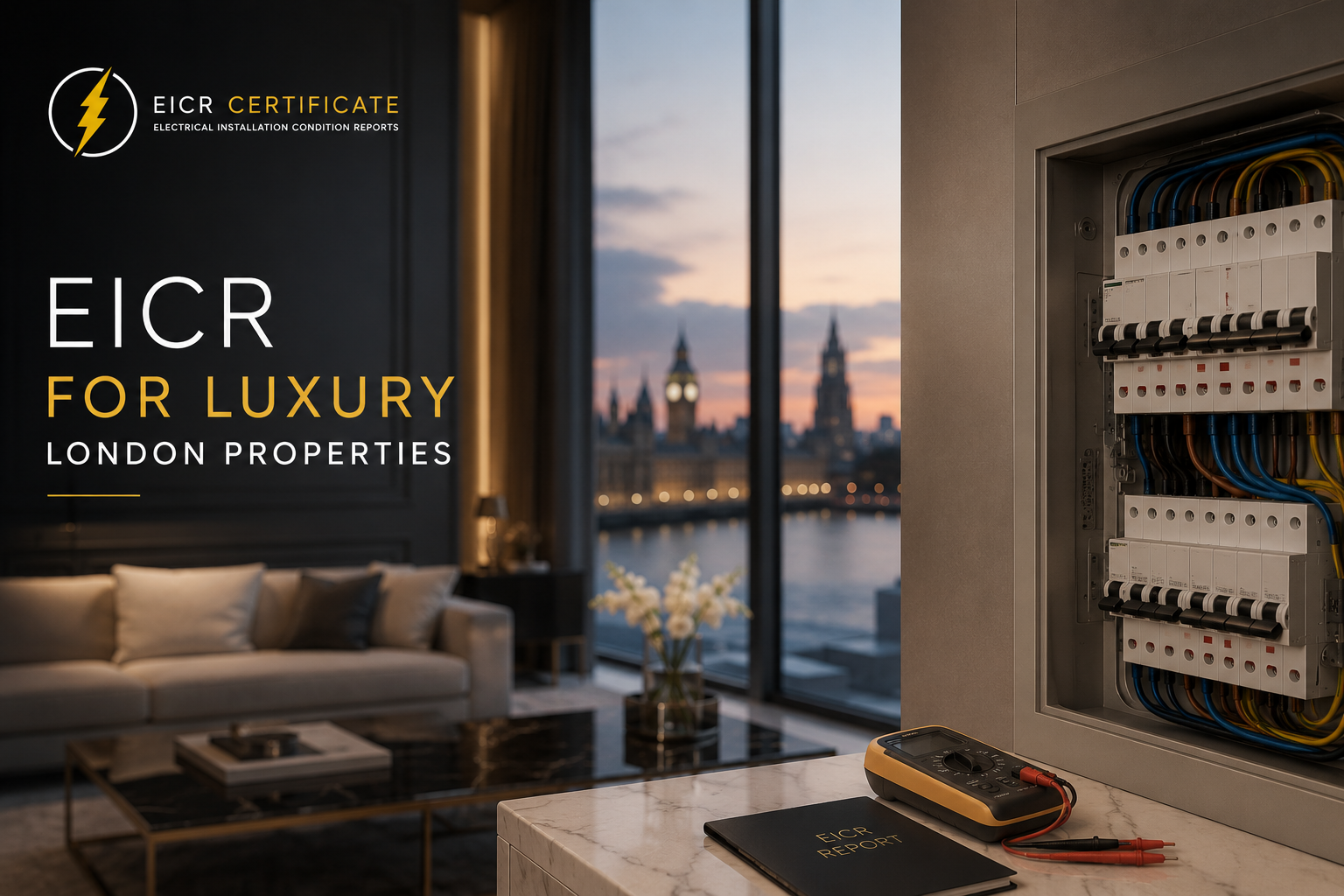
Luxury London properties often look flawless on the surface. Marble bathrooms, designer lighting, smart controls, underfloor heating, bespoke kitchens, integrated AV systems and carefully restored period features can all create the impression that the property is technically perfect.
But an EICR inspection does not judge a property by its finish. It checks the safety and condition of the electrical installation behind the walls, inside the consumer unit, across circuits, at sockets, lighting points, bonding conductors, earthing arrangements and protective devices.
That is why a high-end flat, penthouse, townhouse or period home in London can still fail an Electrical Installation Condition Report.
At London EICR Certificates, we regularly inspect properties where the interior looks premium, but the electrical installation tells a different story. Some issues are minor and easy to correct. Others require urgent remedial work before the property can be considered electrically satisfactory.
This guide explains why luxury London homes still fail EICR checks, what owners and landlords should look out for, and how to arrange a professional inspection before renting, selling, buying or managing a high-value property.
What Is an EICR?
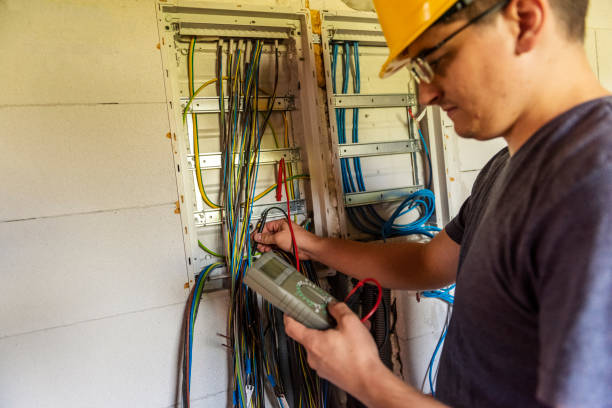
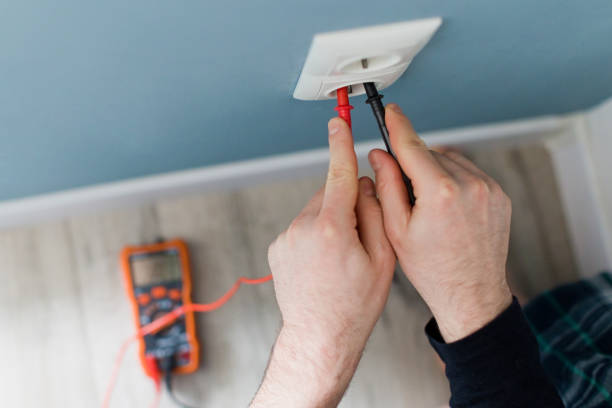
An EICR, or Electrical Installation Condition Report, is a formal inspection and test of a property’s fixed electrical installation. It checks whether the electrical system is safe for continued use and identifies defects, damage, deterioration, poor workmanship, missing protection or non-compliance issues.
For rental properties in England, landlords must have a valid EICR carried out at least every five years, or sooner if recommended by the previous report. For homeowners and buyers, an EICR is not always legally required, but it is strongly recommended before purchasing, renovating, selling or occupying a property where the electrical history is unclear.
A proper EICR checks areas such as:
• Consumer units and protective devices
• Earthing and bonding
• Socket circuits
• Lighting circuits
• RCD protection
• Circuit labelling
• Signs of overheating or damage
• Electrical accessories
• Suitability of installation for current use
• Safety risks in bathrooms, kitchens and external areas
If you are arranging an EICR certificate London inspection, the objective is not only to obtain a certificate. The real purpose is to confirm whether the electrical installation is safe, correctly protected and suitable for the way the property is being used.
Why Luxury Properties Still Fail EICR Inspections
A common mistake is assuming that expensive means safe. In reality, the visual quality of a property has very little to do with the condition of its electrical installation.
Luxury London properties often fail EICR inspections for several reasons.
Many have been refurbished multiple times over the years. A flat in Mayfair, Chelsea, Belgravia, Knightsbridge, Kensington or Marylebone may have had lighting upgrades, kitchen alterations, smart controls, bathroom refurbishments and AV installations carried out at different stages by different contractors.
Each individual alteration may have looked acceptable at the time, but the overall installation can become messy, poorly labelled or inconsistent.
In other cases, the property may have been upgraded cosmetically, while older wiring, poor bonding or outdated protective devices remained hidden behind expensive finishes.
This is particularly common in:
• Period houses converted into flats
• Luxury mansion blocks
• Prime central London rental apartments
• Penthouses with complex lighting and AV systems
• Refurbished townhouses
• High-end buy-to-let properties
• Homes with older electrical infrastructure behind new finishes
An EICR inspection is designed to identify what cannot be judged by appearance alone.
Expensive Finishes Can Hide Electrical Problems
One of the biggest challenges with luxury properties is that the electrical defects are often hidden behind premium finishes.
A designer switch plate, a beautiful bathroom light or a custom-built kitchen does not confirm that the circuit behind it is correctly protected, safely installed or properly tested.
For example, a luxury bathroom may have:
• Non-IP-rated light fittings in unsuitable zones
• Missing RCD protection
• Poorly installed extractor fans
• Incorrectly located accessories
• Inadequate supplementary protection
• Old wiring concealed behind new tiles or panels
A bespoke kitchen may have:
• Overloaded circuits
• Poorly positioned isolation switches
• Damaged sockets behind appliances
• Incorrect spur arrangements
• Hidden junction boxes
• Loose connections caused by appliance replacement work
A premium living room may have smart lighting, feature LEDs and AV cabling, but still contain borrowed neutrals, poor circuit separation or incorrectly modified lighting circuits.
This is why owners of high-value properties should not wait until a legal deadline or tenant issue arises. A professional EICR services in London inspection gives a clearer view of the actual electrical condition before problems become more expensive or disruptive.
Common EICR Failures in High-End Flats and Penthouses
Luxury flats and penthouses often have more complex electrical systems than standard residential properties. They may include comfort cooling, underfloor heating, smart lighting, electric blinds, integrated audio, cinema rooms, wine fridges, hot water systems, multiple bathrooms and high-load kitchen appliances.
These features can increase the electrical demand and create more opportunities for poor installation or later alterations.
Common EICR issues found in high-end flats include:
• Missing RCD protection on socket circuits
• Older consumer units without modern protective devices
• Poor circuit labelling
• Incomplete or inaccurate circuit schedules
• Damaged sockets behind fitted furniture
• Poorly terminated conductors
• Signs of overheating inside consumer units
• Incorrect bathroom lighting or fan installations
• Non-compliant alterations after refurbishment
• Hidden wiring defects behind luxury finishes
• Lack of proper documentation for previous electrical work
In penthouses, we also see issues with external terraces, hot tubs, garden lighting, outdoor sockets, rooftop plant areas and electrical supplies feeding specialist equipment.
These systems need careful inspection because water, weather exposure, high loads and poor isolation arrangements can create serious safety risks.
Period Homes Have Their Own Electrical Risks
London has some of the most valuable period properties in the country. Victorian, Edwardian and Georgian homes can be beautiful, but they are also more likely to have a complicated electrical history.
A period home may have had several decades of changes before the current owner purchased it. Old cables may still be present. Circuits may have been extended. Consumer units may have been replaced without every underlying issue being corrected. Some rooms may have been rewired while other parts of the property were left untouched.
Typical issues in period properties include:
• Old wiring mixed with newer wiring
• Missing or undersized bonding
• Poor earthing arrangements
• Older consumer units
• Damaged accessories
• Limited socket points leading to extension lead use
• Poorly altered lighting circuits
• Hidden junction boxes under floors or in ceiling voids
• No RCD protection on older circuits
• Unclear circuit identification
Owners often assume that because the property has been refurbished, the electrics must have been fully upgraded. That is not always the case.
A careful EICR certificates for homeowners inspection is especially useful for period homes because it helps identify whether the installation is safe for modern use, especially where the property now contains more appliances, technology and higher electrical demand than it was originally designed for.
Smart Home Systems Can Make EICRs More Complicated
Smart home systems are common in high-end London properties. Lighting control systems, heating automation, electric blinds, security systems, data networks, integrated speakers and app-controlled devices can improve comfort and convenience.
However, they can also complicate an EICR.
The issue is not that smart systems are unsafe. The issue is that they must be installed correctly, documented properly and integrated safely with the wider electrical installation.
Problems can occur when:
• Smart lighting modules are added to older wiring
• Controls are installed without clear labelling
• Neutral conductors are borrowed between circuits
• Enclosures are overcrowded
• Equipment is inaccessible for inspection
• Specialist systems are installed without proper records
• Later contractors modify the installation without understanding the system
A luxury property may look technically advanced, but if the installation is poorly documented, difficult to access or altered incorrectly, it can create problems during inspection.
This is why good electrical records matter. If your property has had specialist electrical work, keep copies of certificates, installation documents, circuit schedules and contractor details. These can help the electrician understand the installation and reduce unnecessary confusion during the inspection.
EICR Requirements for Luxury Rental Properties
If a luxury property is rented out, the landlord’s legal responsibility is the same as for any other rental property. The property must have a valid EICR and the electrical installation must be safe.
This applies whether the property is a small flat or a high-value penthouse rented at a premium monthly rent.
For landlords, the risk is not only legal compliance. A failed EICR can delay a tenancy, create negotiation problems, cause tenant complaints and damage confidence in the property.
This is especially important for:
• Prime central London landlords
• Overseas landlords
• Corporate lets
• High-value furnished rentals
• Managed apartments
• Luxury short-term lets
• Properties handled by letting agents
• Relocation and executive accommodation
If a property is due to be rented, it is better to arrange EICR certificates for landlords before the tenant move-in date becomes urgent. Leaving the inspection until the last moment can create avoidable pressure if the report is unsatisfactory and remedial work is required.
EICR Before Selling or Buying a Luxury London Property
An EICR can also be useful before buying or selling a high-value property.
For buyers, it can reveal issues that may not be obvious during a normal viewing or survey. For sellers, it can help reduce uncertainty and show that the property has been properly checked.
This is particularly relevant where the property has:
• Recently been refurbished
• Old or unclear electrical records
• Multiple previous owners
• Complex lighting or smart systems
• High-value appliances and integrated systems
• Period construction
• Basement extensions or loft conversions
• Previous rental history
A buyer may be impressed by finishes, but electrical issues can become expensive after completion. An EICR helps identify whether the installation is satisfactory, whether remedial work is needed and whether further investigation is recommended.
For sellers, having an EICR available can make the property look better prepared, especially when dealing with careful buyers, overseas purchasers or managing agents.
Case Study 1: Luxury Flat With Designer Finish but Missing RCD Protection
A landlord contacted us about a high-end two-bedroom flat in west London. The property had been fully decorated, professionally cleaned and prepared for a new tenant. On the surface, everything looked ready.
During the EICR inspection, the electrician found that several socket circuits did not have suitable RCD protection. Some bathroom lighting also needed attention, and the consumer unit labelling was unclear.
The landlord was surprised because the flat had recently been refurbished. However, the refurbishment had focused mainly on the appearance of the property. The electrical installation had not been fully upgraded to match the new layout and usage.
The report was unsatisfactory. We explained the issues clearly and provided a remedial quotation. After the required work was completed, the property could be retested and moved towards a satisfactory outcome.
The lesson is simple: new paint, new flooring and designer lighting do not confirm electrical safety.
Case Study 2: Period Townhouse With Mixed Wiring and Poor Bonding
Another example involved a period townhouse used as a premium family rental. The property had a beautiful interior, original features, a modern kitchen and several upgraded bathrooms.
The EICR found a mixture of old and newer wiring, incomplete bonding, unclear circuit identification and signs of previous alterations that had not been properly documented.
This type of property needs careful handling. It is not always practical or necessary to recommend a full rewire immediately, but the inspection must identify genuine safety issues and separate them from advisory improvements.
The landlord wanted a clear explanation of what was urgent, what affected the EICR outcome and what could be planned as future improvement. That is exactly where a professional inspection and transparent remedial advice become valuable.
Where remedial work is required, our EICR remedial work service can help property owners understand the next steps and avoid confusion around C1, C2, C3 and FI observations.
Case Study 3: Penthouse With Complex Lighting and Poor Documentation
A penthouse apartment had a smart lighting system, electric blinds, underfloor heating and several feature lighting zones. The owner believed the property would easily pass because it was modern and expensive.
The inspection found that documentation was limited, circuits were not clearly labelled and some lighting alterations required further checking. The issue was not that the property was low quality. The issue was that the electrical system had become complex, and previous changes were not properly recorded.
This is common in premium properties. Multiple specialist contractors may work on different systems, but nobody maintains one clear electrical record for the whole property.
For high-end homes, documentation is part of electrical safety. Clear circuit schedules, certificates and records help future inspections, reduce delays and make the property easier to manage.
How Much Does an EICR Cost for a Luxury London Property?
The cost of an EICR depends on the size, type and complexity of the property.
A luxury studio or one-bedroom flat will normally be quicker to inspect than a large penthouse, townhouse, mansion flat or property with multiple consumer units and specialist systems.
Factors that can affect the cost include:
• Number of bedrooms
• Number of circuits
• Size of the property
• Access arrangements
• Number of consumer units
• Whether the property is residential or commercial
• Complexity of smart systems
• Parking, congestion charge or access restrictions
• Whether additional certificates or services are required
For a clearer guide, visit our EICR certificate cost page. If the property is unusually large, has multiple distribution boards or includes commercial elements, we may need additional details before confirming the final price.
For mixed-use or business premises, our commercial EICR certificates in London service may be more suitable.
What Happens If a Luxury Property Fails the EICR?
If a property fails an EICR, it means the inspection has identified one or more issues that prevent the installation from being classed as satisfactory.
The most important codes are:
• C1: Danger present, immediate action required
• C2: Potentially dangerous, urgent remedial action required
• FI: Further investigation required
• C3: Improvement recommended, but not usually a fail on its own
A luxury property can fail because of one serious issue or several smaller safety-related defects. The report should clearly explain what has been found and why it matters.
After a failed EICR, the normal process is:
• Review the report
• Identify which items are causing the unsatisfactory result
• Obtain a remedial quotation
• Complete the required remedial work
• Retest or confirm the corrected items
• Issue the relevant certification or updated documentation
The key is not to panic. Many failed EICRs can be resolved with targeted remedial work. However, ignoring the report can create legal, safety and tenancy problems.
Why Owners Should Not Choose an EICR Based Only on the Cheapest Price
For a basic property, price matters. For a luxury property, price still matters, but it should not be the only decision.
A high-end home may involve expensive finishes, sensitive access arrangements, tenants, concierge systems, management companies, overseas owners, specialist equipment and strict deadlines. The inspection needs to be handled properly.
Choosing the cheapest provider can create problems if the inspection is rushed, poorly explained or followed by vague remedial advice.
For premium properties, you should look for:
• Clear pricing
• Proper inspection process
• Professional communication
• Experience with London properties
• Ability to explain failed items clearly
• Fast digital reports
• Practical remedial support if needed
• Flexible appointments
• Understanding of landlords, homeowners and managing agents
The objective is not just to obtain a PDF. The objective is to understand the actual condition of the electrical installation and deal with any issues properly.
Luxury Areas in London Where EICR Inspections Are Common
We regularly support customers across London, including many prime and high-value areas.
These include:
• Mayfair
• Belgravia
• Chelsea
• Kensington
• Knightsbridge
• Marylebone
• Westminster
• Notting Hill
• Hampstead
• St John’s Wood
• Canary Wharf
• Battersea
• Nine Elms
• Fulham
• Richmond
• Primrose Hill
You can check our areas we cover page for more information about London coverage.
If your property is in a congestion charge zone, controlled parking zone or managed building with access requirements, it is useful to provide these details before the appointment. This helps reduce delays and makes the booking smoother.
Preparing a Luxury Property for an EICR Inspection
Good preparation helps the inspection run more smoothly.
Before the electrician attends, try to arrange:
• Access to the consumer unit
• Access to sockets and electrical accessories where possible
• Details of any concierge or building access process
• Parking instructions if available
• Tenant or housekeeper contact details if needed
• Previous EICR reports if available
• Electrical certificates for recent work
• Information about smart lighting or specialist systems
• Permission to isolate circuits during testing where required
Some testing may require parts of the installation to be switched off temporarily. If the property has tenants, home offices, servers, security systems, fridge/freezers or specialist equipment, mention this before the appointment so the engineer can plan accordingly.
Why Choose London EICR Certificates?
London EICR Certificates provides professional electrical safety inspections for landlords, homeowners, property buyers, estate agents, managing agents and commercial clients across London.
For luxury properties, the benefit is not only the inspection itself. It is the way the process is handled.
We help with:
• EICR inspections for flats, houses, penthouses and period homes
• Digital reports
• Clear explanations of failed items
• Fixed and transparent pricing where property details are clear
• Remedial quotations where required
• Landlord and homeowner support
• Commercial and mixed-use property inspections
• London-wide coverage
• Fast booking options
If you need to arrange an inspection, you can book your EICR online or contact us with the property details.
For landlords and managing agents, it is helpful to send:
• Full property address
• Property type and number of bedrooms
• Name required on the certificate
• Access contact details
• Parking or concierge information
• Preferred appointment window
• Any previous EICR or electrical report if available
This allows the booking to be handled faster and reduces back-and-forth.
Final Thoughts: Luxury Does Not Always Mean Electrically Safe
A luxury London property can look immaculate and still fail an EICR.
The reason is simple. Electrical safety is about the condition, protection, installation quality and test results of the fixed wiring system. It is not about the value of the furniture, the cost of the refurbishment or the appearance of the interior.
High-end flats, penthouses and period homes often have more complicated electrical systems than standard properties. They may also have a longer history of alterations, hidden wiring, specialist systems and documentation gaps.
A professional EICR gives owners, landlords, buyers and property managers a clearer picture of the property’s real electrical condition.
If you own, manage, rent out or are buying a luxury London property, arranging an EICR before there is a problem is a practical way to protect the property, the occupants and your compliance position.
To arrange your inspection, visit London EICR Certificates and book a professional EICR inspection for your London property today.
EICR for Luxury London Properties FAQs
Clear answers for owners, landlords, buyers, property managers and estate agents arranging EICR inspections for high-end flats, penthouses, period homes and premium London rental properties.
Do luxury London properties still need an EICR?
Yes. A luxury finish does not prove that the fixed electrical installation is safe. An EICR checks the wiring, consumer unit, earthing, bonding, sockets, lighting circuits, RCD protection and electrical safety of the installation behind the visible finishes.
Luxury flats, penthouses and period homes can still have old wiring, poor circuit labelling, missing RCD protection, hidden defects, poor alterations or undocumented electrical work from previous refurbishments.
Why do high-end properties fail EICR inspections?
High-end properties often fail because the electrical installation has been altered many times during refurbishments, smart home upgrades, kitchen changes, bathroom works or lighting improvements. The final finish may look excellent, but the wiring and protection may not meet the required safety standard.
Common issues include missing RCD protection, damaged accessories, outdated consumer units, poor bonding, unclear circuit schedules, exposed live parts, overheating, borrowed neutrals and electrical work that was never properly certified.
Is an EICR legally required for a luxury rental property?
Yes. If the property is rented out in England, the landlord must have the electrical installation inspected and tested at least every five years, or sooner if the previous report recommends it. This applies whether the property is a small flat, a luxury apartment, a penthouse or a prime central London townhouse.
The landlord must make sure the electrical installation is safe and provide the required report to tenants, managing agents or the local authority when requested.
Should I get an EICR before buying a luxury London property?
It is strongly recommended. A normal property viewing or survey may not reveal hidden electrical issues. An EICR can identify whether the electrical installation is satisfactory, whether remedial work is needed and whether further investigation is required.
This is especially useful for period homes, recently refurbished flats, properties with smart systems, basement extensions, loft conversions, multiple consumer units or unclear electrical records.
Can a recently refurbished luxury flat still fail an EICR?
Yes. A refurbishment does not automatically mean the electrical installation was fully tested, upgraded or certified. Some refurbishments focus on decoration, flooring, kitchens, bathrooms and lighting design, while older wiring, consumer unit issues or missing protection remain in place.
A newly decorated property can still fail if the inspection finds C1, C2 or FI observations, such as exposed live parts, potentially dangerous wiring, missing RCD protection or faults requiring further investigation.
What EICR problems are common in period homes?
Period homes often have a long electrical history. They may include old wiring mixed with newer circuits, poor earthing, missing bonding, older consumer units, altered lighting circuits, hidden junction boxes and limited documentation.
These issues are common in Victorian, Edwardian and Georgian properties, especially where the home has been extended, converted into flats, renovated in stages or upgraded cosmetically without a full electrical review.
Do smart home systems affect an EICR inspection?
Smart lighting, electric blinds, AV systems, underfloor heating and home automation can make an EICR more complex because the installation may include specialist controls, hidden modules, multiple zones and altered circuits.
The systems themselves are not a problem if installed correctly. Issues usually arise when the wiring is poorly documented, circuits are not clearly labelled, equipment is difficult to access or later alterations were made without proper certification.
How much does an EICR cost for a luxury London property?
The cost depends on the property size, number of bedrooms, number of circuits, number of consumer units, access arrangements and whether the property has complex electrical systems. A small high-end flat is usually simpler than a large penthouse, townhouse or property with multiple distribution boards.
For an accurate quote, provide the full address, property type, number of bedrooms, photos of the consumer unit if available, access details and any known information about smart systems, previous electrical work or parking restrictions.
What happens if a luxury property fails the EICR?
If the EICR is unsatisfactory, the report will list the observations and codes. C1 means danger is present and immediate action is required. C2 means potentially dangerous and urgent remedial action is needed. FI means further investigation is required. C3 is an improvement recommendation.
A failed EICR does not always mean the property needs a full rewire. Many issues can be corrected with targeted remedial work, such as improving RCD protection, replacing damaged accessories, correcting consumer unit defects, improving bonding or investigating a faulty circuit.
How do I book an EICR for a luxury flat, penthouse or period home in London?
You can book by providing the full property address, property type, number of bedrooms, name required on the certificate, access contact details, preferred appointment window and any parking, concierge or building management instructions.
London EICR Certificates provides professional EICR inspections for luxury flats, penthouses, period homes, landlords, homeowners, buyers, estate agents and property managers across London. After the inspection, you receive a clear digital report confirming whether the installation is satisfactory or whether remedial work or further investigation is needed.
Book a professional EICR inspection for your high-end flat, penthouse, period home or premium rental property. Get a clear electrical safety report, practical advice and remedial support if required.
Book Your EICR OnlinePlease Submit Details Below



24/7 Emergency Service
Find answers to common questions about EICR certificates and electrical safety inspections in London. Visit our FAQ page on EICRcertificates.com for more information.