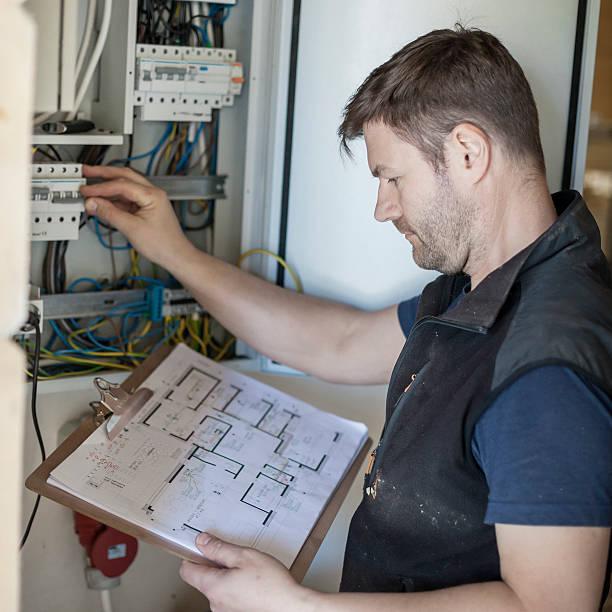

Do I Need an EICR Certificate If I Live in My Own Home?

Are you a homeowner, landlord, or business owner in London? Ensuring the safety and compliance of your property’s electrical installations is crucial, and that’s where an Electrical Installation Condition Report (EICR) certificate comes in. But, how do you obtain one? Our step-by-step guide provides all the information you need to follow to get your EICR certificate. From finding a qualified electrician to scheduling the inspection and addressing any issues highlighted in the report, our guide covers everything you need to know. Don’t risk the safety of your property – read our guide and obtain your EICR certificate today!

Do I Need an EICR Certificate If I Live in My Own Home?

Compliance and Regulations,EICR Certificates,EICR Guide
Home / Archive by category "EICR Certificates"
Do I need an EICR certificate if I live in my own home in London

Do I Need an EICR Certificate If I Live in My Own Home?

The Complete UK Homeowner Guide (2025)

If you live in your own home, you may be wondering whether an EICR certificate is something you legally need or just another recommendation electricians talk about. This is one of the most common questions UK homeowners ask, especially in London where electrical safety standards are taken seriously.

So, do you need an EICR certificate if you live in your own home?
The answer is no, not legally, but in many situations it is strongly recommended for safety, insurance, and peace of mind.

This guide explains everything clearly, without scare tactics or technical jargon. By the end, you’ll know exactly when an EICR is required, when it’s optional, and when it’s a smart decision for your home.


What Is an EICR Certificate?

An EICR (Electrical Installation Condition Report) is a professional inspection of a property’s fixed electrical installation. It assesses whether the electrics are safe to continue using and highlights any potential hazards.

An EICR checks:

  • The consumer unit (fuse board)
  • Internal wiring
  • Sockets and switches
  • Light fittings
  • Earthing and bonding
  • Overall electrical safety condition

It does not test portable appliances such as kettles or washing machines. The focus is on the permanent electrical installation of the property.

You can read more about what’s included in an inspection on our
👉 EICR Services page
https://londoneicrcertificates.co.uk/eicr-services/


Do Homeowners Legally Need an EICR Certificate? (Quick Answer)

Here’s a clear summary that most homeowners are looking for:

SituationIs an EICR Legally Required?
You live in your own home❌ No
You rent out the property✅ Yes
Buying a property❌ No (recommended)
Selling a property❌ No (recommended)
HMO or rental property✅ Yes

If you own and live in your own home, UK law does not force you to have an EICR certificate.

However, legal requirements are only one part of the picture.


When an EICR Is Not Mandatory but Still Strongly Recommended

Many homeowners choose to have an EICR even though it’s not legally required. Here’s why.


Older Homes (20+ Years Old)

If your property is more than 20 years old and hasn’t been inspected recently, electrical risks increase significantly.

Common issues found in older homes include:

  • Outdated fuse boards
  • No RCD protection
  • Degraded cable insulation
  • Inadequate earthing
  • Unsafe alterations carried out over the years
  • Most of these problems are hidden behind walls and cannot be spotted without a proper inspection.

Buying a Property

An EICR is one of the smartest checks you can do when buying a home.

It can:

  • Reveal hidden electrical defects
  • Prevent unexpected repair costs
  • Be used to renegotiate the purchase price
  • Give peace of mind before moving in

Many buyers now request an EICR alongside surveys and searches.


Selling a Property

While not legally required, providing an EICR when selling:

  • Builds buyer confidence
  • Speeds up the sales process
  • Reduces the risk of last-minute negotiations
  • Shows the property has been responsibly maintained

Planning to Rent the Property in the Future

If you plan to rent your home at any point, an EICR becomes legally mandatory before tenants move in.

Getting one done early means:

  • No last-minute delays
  • No surprise remedial work
  • You know exactly where you stand

Landlords have strict obligations. You can read more here:
👉 EICR Certificates for Landlords in London
https://londoneicrcertificates.co.uk/eicr-certificates-for-landlords-in-london/


Home Insurance Considerations

Many homeowners are unaware that insurers may ask for evidence of electrical safety after incidents such as fires.

An EICR provides:

  • Documented proof of inspection
  • Evidence of responsible maintenance
  • Support in the event of a claim investigation

What Happens If My Home Fails an EICR?

EICR observations are categorised as:

  • C1 – Danger present (immediate action required)
  • C2 – Potentially dangerous
  • C3 – Improvement recommended

For homeowners:

  • There is no legal deadline to fix C2 or C3 items
  • C1 issues should always be addressed immediately for safety
  • If remedial work is needed, we clearly explain:
  • What the issue is
  • Why it matters
  • The cost before any work starts

More details can be found here:
👉 EICR Remedial Work
https://londoneicrcertificates.co.uk/remedial-work-for-failed-eicr-certificates/


How Often Should a Homeowner Get an EICR?

Best practice guidance suggests:

  • Every 10 years for owner-occupied homes
  • After major electrical work
  • When buying or selling a property

Electrical systems can deteriorate quietly over time, even when everything appears to be working normally.


How Long Does an EICR Take in a Home?

Typical inspection times:

  • Studio or 1-bed flat: 1–2 hours
  • 2–3 bedroom house: 2–4 hours
  • Larger homes: 4+ hours

Inspection time depends on property size, access, and installation complexity.


How Much Does an EICR Cost for Homeowners?

EICR pricing depends on:

  • Number of circuits
  • Property size
  • Accessibility
  • Location

You can get a clear estimate here:
👉 EICR Certificate Cost
https://londoneicrcertificates.co.uk/eicr-certificate-cost/


Why Many Homeowners Still Book an EICR

Homeowners choose to get an EICR because it offers:

  • Peace of mind
  • Protection for family and children
  • Early detection of faults
  • Insurance reassurance
  • Long-term cost savings

Electrical problems rarely give warnings before becoming serious.


Why Choose London EICR Certificates?

We specialise exclusively in electrical inspections across London.

What homeowners trust us for:

  • NICEIC-approved electricians
  • Clear, honest reporting
  • No pressure or upselling
  • Transparent pricing
  • Fast and flexible booking

Learn more about us here:
👉 About Us
https://londoneicrcertificates.co.uk/about-us/


Book an EICR for Your Home in London

If you’re unsure whether your home needs an EICR, we’re happy to advise honestly.

👉 Book Your EICR Online
https://londoneicrcertificates.co.uk/book-online/

Final Verdict

Do you need an EICR certificate if you live in your own home?

  • Legally: ❌ No

  • Practically: ✅ Often recommended

  • For safety and peace of mind: ✅ Yes

If you want clarity, protection, and confidence in your home’s electrics, an EICR is one of the smartest checks you can make.

❓ Frequently Asked Questions About EICR Certificates for Homeowners

1. Do I legally need an EICR certificate if I live in my own home?

No. If you own and live in your property, UK law does not legally require you to have an EICR certificate. However, it is strongly recommended to ensure your electrical installation is safe and to avoid hidden risks.

2. Is an EICR recommended for homeowners even if it’s not mandatory?

Yes. An EICR helps identify electrical faults that are not visible, reduces fire risk, and provides peace of mind, especially in older properties or homes that have not been inspected for many years.

3. How often should a homeowner get an EICR?

For owner-occupied properties, best practice is every 10 years, or sooner if major electrical work has been carried out, you are buying or selling a home, or you have concerns about electrical safety.

4. Do I need an EICR if my house is a new build?

New builds usually comply with current electrical regulations, but an EICR may still be recommended after several years, particularly before selling the property or if electrical modifications have been made.

5. Can I sell my house without an EICR certificate?

Yes, you can sell a property without an EICR. However, many buyers now request one, and not having it may delay the sale or be used to negotiate a lower price.

6. What happens if my home fails an EICR inspection?

If your home fails an EICR, the report will highlight issues as C1, C2, or C3. While homeowners are not legally required to fix all issues, C1 faults should be addressed immediately for safety reasons.

7. Is an EICR the same as an electrical safety certificate?

An EICR is the main electrical safety certificate used in the UK. It confirms whether the fixed electrical installation is safe and meets current safety standards.

8. Will my home insurance ask for an EICR?

Some insurers may request evidence of electrical safety following incidents such as electrical fires or damage claims. Having a valid EICR can support your claim and show responsible property maintenance.

9. How long does an EICR inspection take in a typical home?

Most EICR inspections take between 1 and 4 hours, depending on the size of the property, the number of circuits, and how accessible the electrical installation is.

10. Is getting an EICR worth it for homeowners?

Yes. Even though it’s not legally required, an EICR can prevent costly repairs, reduce safety risks, and give homeowners confidence that their electrical system is safe for their family.

Please Submit Details Below

For your convenience, you can also fill out our online contact form below. Please provide as much detail as possible, and a member of our team will get back to you promptly.
Select Certificate Type:
Tags :
EICR Certificates,EICR Inspection
Share This :

24/7 Emergency Service

Find answers to common questions about EICR certificates and electrical safety inspections in London. Visit our FAQ page on EICRcertificates.com for more information.

0203 811 8331

EICR for Letting Agents in London: Portfolio Compliance Fast Booking

Are you a homeowner, landlord, or business owner in London? Ensuring the safety and compliance of your property’s electrical installations is crucial, and that’s where an Electrical Installation Condition Report (EICR) certificate comes in. But, how do you obtain one? Our step-by-step guide provides all the information you need to follow to get your EICR certificate. From finding a qualified electrician to scheduling the inspection and addressing any issues highlighted in the report, our guide covers everything you need to know. Don’t risk the safety of your property – read our guide and obtain your EICR certificate today!

EICR for Letting Agents in London: Portfolio Compliance Fast Booking

Compliance and Regulations,EICR Certificates,EICR Guide
Home / Archive by category "EICR Certificates"
EICR for letting agents in London covering portfolio compliance and electrical safety inspections

EICR for Letting Agents in London: How to Manage Portfolio Compliance Without the Headaches

(2025 Guide)

 Managing EICR compliance across multiple rental properties in London can quickly become one of the most stressful parts of a letting agent’s role. Between changing regulations, tight council deadlines, unresponsive tenants, and landlords chasing updates, Electrical Installation Condition Reports often turn into a time-draining admin nightmare.

This guide is written specifically for London letting agents and property managers. It explains exactly how EICR compliance works, where most agencies run into problems, and how using a dedicated EICR partner can remove friction, reduce risk, and save serious time.

If you manage single properties or large portfolios, this guide will help you stay compliant and streamline your process in 2025 and beyond.


What Is an EICR and Why It Matters for Letting Agents

An Electrical Installation Condition Report (EICR) is a formal inspection of a property’s fixed electrical installation. It confirms whether the electrics are safe for continued use and identifies any defects that could pose a risk to occupants.

In England, EICRs are a legal requirement for most rented properties, and while the responsibility ultimately sits with the landlord, letting agents are often the ones expected to manage the process.

If an EICR is missing, expired, or failed without action, councils can issue enforcement notices and fines of up to £30,000 per property. In practice, councils frequently contact the managing agent first.

That is why EICR compliance is not just a landlord issue. It is a letting agent risk and reputation issue.


Who Is Responsible for EICR Compliance: Landlord or Letting Agent?

Legally, landlords are responsible for ensuring a valid EICR is in place. However, in real-world London property management, letting agents are often contracted to:

  • Track certificate expiry dates

  • Arrange inspections

  • Coordinate access with tenants

  • Store and distribute certificates

  • Respond to council or licensing requests

If an inspection is missed or delayed, councils and landlords usually turn to the agent for answers. This is why many London agencies now treat EICR management as a core compliance service, not an optional add-on.

For a full legal breakdown, you can also read our detailed guide on responsibility here:
https://londoneicrcertificates.co.uk/blog/who-is-responsible-for-eicr-landlord-or-tenant/


Common EICR Problems Letting Agents Face in London

Most letting agencies experience the same recurring issues when managing EICRs:

1. Tenant Access Delays

Tenants do not respond, cancel appointments, or deny access. This causes missed deadlines and repeated re-booking.

2. Last-Minute Expiry Discoveries

Certificates are often discovered to be expired during licence renewals, property sales, or council inspections.

3. Multiple Contractors, Inconsistent Reports

Different electricians produce different report styles, classifications, and remediation advice. This creates confusion and disputes.

4. Slow Certificate Turnaround

Some providers take days or weeks to issue reports, leaving agents exposed while waiting.

5. Unclear Remedial Advice

Agents receive reports marked “unsatisfactory” without clear explanations of what must be fixed and how urgently.

All of these issues cost time, damage landlord trust, and increase compliance risk.


How Portfolio EICR Booking Solves These Issues

Using a single, dedicated EICR provider for your entire portfolio changes the experience completely.

A structured portfolio EICR service allows letting agents to:

  • Manage multiple properties in one booking

  • Use a consistent reporting standard

  • Reduce admin time and follow-ups

  • Maintain centralised compliance records

  • Protect agency reputation

At London EICR Certificates, portfolio work is handled differently from one-off residential bookings. The focus is on process, speed, and clarity, not just inspections.

You can see an overview of our inspection services here:
https://londoneicrcertificates.co.uk/eicr-services/


How Our EICR Process Works for Letting Agents

Letting agents value clarity and predictability. Our EICR process is designed around how agencies actually operate.

Step 1: Portfolio Submission

You send us a list of properties requiring inspection, whether it is 3 units or 300.

Step 2: Access Coordination

We liaise directly with tenants or site contacts to arrange access, keeping your team copied in.

Step 3: Inspections Across London

Our NICEIC-registered engineers carry out EICR inspections across all London boroughs.

Step 4: Fast Certificate Issuance

Reports are issued promptly, clearly marked as satisfactory or unsatisfactory, with plain-English explanations.

Step 5: Clear Remedial Options

If remedial work is required, we provide transparent quotes without pressure or confusion.

This removes the day-to-day admin burden from your team while keeping you fully informed.


EICR Costs for Letting Agents and Portfolio Properties

One of the most common questions from agencies is cost.

EICR pricing is influenced by:

  • Property type (flat, house, HMO, commercial)

  • Number of circuits and consumer units

  • Portfolio size and booking volume

  • Access complexity

  • Location within London

For letting agents, portfolio pricing is usually more cost-effective than individual bookings. It also reduces hidden costs caused by repeat visits, missed access, and delays.

You can view a detailed breakdown of EICR pricing here:
https://londoneicrcertificates.co.uk/eicr-certificate-cost/


What Happens If a Property Fails the EICR?

An EICR can be marked as unsatisfactory if issues are identified. These are categorised as:

  • C1 – Immediate danger

  • C2 – Potentially dangerous

  • FI – Further investigation required

In these cases, remedial work must be completed within the required timeframe. Letting agents are often responsible for coordinating this quickly to avoid enforcement action.

We also support remedial work following failed inspections. Learn more here:
https://londoneicrcertificates.co.uk/remedial-work-for-failed-eicr-certificates/


Why Letting Agents Choose a Dedicated EICR Partner

Letting agents who work with a single EICR provider consistently report:

  • Fewer missed deadlines

  • Less internal admin pressure

  • Clearer communication with landlords

  • Reduced compliance risk

  • Faster issue resolution

Instead of chasing multiple electricians, agencies benefit from one point of contact and a system built around their workflow.


London Coverage for Letting Agencies

We provide EICR inspections across all London areas, including:

You can review the full coverage here:
https://londoneicrcertificates.co.uk/areas-we-cover/


How This Helps Your Agency Win and Retain Landlords

Compliance issues are one of the main reasons landlords switch letting agents. When EICRs are handled efficiently, landlords see your agency as proactive, professional, and low-risk.

By offering reliable EICR management:

  • You reduce landlord complaints

  • You strengthen renewals

  • You position your agency as compliance-focused

This is not just about inspections. It is about protecting your brand.


Book EICR Inspections for Your Property Portfolio

If you manage rental properties in London and want a simpler, more reliable way to handle EICR compliance, we can help.

Whether you manage a small portfolio or a large multi-borough operation, our team can support you with:

  • Portfolio EICR bookings

  • Fast certification

  • Clear remedial reporting

  • Dedicated agency support

You can book inspections online or speak with our team directly:

Book online here:
https://londoneicrcertificates.co.uk/book-online/

Learn more about landlord-specific services:
https://londoneicrcertificates.co.uk/eicr-certificates-for-landlords-in-london/

EICR compliance does not need to be stressful, reactive, or time-consuming. With the right systems and the right partner, it becomes a predictable process that protects your agency, your landlords, and your tenants.

If EICRs are currently a pain point in your operation, that is usually a supplier problem, not a compliance problem.

Who is responsible for arranging an EICR when a letting agent manages the property?

Legally, the landlord is responsible for ensuring a valid EICR is in place. However, in most London management agreements, letting agents are tasked with arranging inspections, tracking expiry dates, and providing certificates to councils or tenants. This means agents often manage the full EICR process on behalf of landlords.

How often do letting agents need to renew an EICR in London?

For most rental properties, an EICR must be renewed every 5 years, or sooner if the report states a shorter interval. New tenancies also require the EICR to be valid at the start of the tenancy. Letting agents typically monitor expiry dates across their portfolio to avoid compliance breaches.

Can a letting agent arrange EICRs for multiple properties in one booking?

Yes. Portfolio EICR bookings are common for letting agents managing multiple properties. Grouping inspections into a single booking helps reduce admin time, improve scheduling efficiency, and often lowers the cost per property compared to one-off bookings.

What happens if a tenant refuses access for an EICR inspection?

If a tenant refuses access, the landlord and letting agent must demonstrate they took reasonable steps to arrange the inspection. This includes written notices, follow-ups, and flexible appointment options. Using an EICR provider that coordinates access directly with tenants can significantly reduce these issues.

How quickly should EICR certificates be issued for letting agents?

Best practice is for EICR certificates to be issued within 24 to 48 hours of the inspection. Delays can expose letting agents to compliance risks, especially during licence renewals, council inspections, or property sales.

What does it mean if an EICR is marked as unsatisfactory?

An unsatisfactory EICR means safety issues were identified. These are typically classified as C1 (danger present), C2 (potentially dangerous), or FI (further investigation required). Remedial work must be completed within the required timeframe before the property can be considered compliant.

Do letting agents have to organise remedial works after a failed EICR?

While the landlord is financially responsible for remedial works, letting agents are often asked to coordinate repairs to ensure deadlines are met. Clear remedial reports and transparent quotes help agents manage this process efficiently and avoid disputes.

How much does an EICR cost for letting agents managing a portfolio?

EICR costs vary based on property type, size, and access, but letting agents managing multiple properties often benefit from portfolio pricing. This can make compliance more cost-effective and predictable compared to booking individual inspections.

Can one EICR provider cover properties across all London boroughs?

Yes. Many letting agents choose a single EICR provider that offers London-wide coverage. This ensures consistent reporting, easier communication, and simplified compliance management across different boroughs and councils.

Why should letting agents use a dedicated EICR partner instead of multiple electricians?

Using a dedicated EICR partner provides consistency, faster turnaround times, clearer communication, and reduced admin workload. It also lowers the risk of missed deadlines, inconsistent reports, and compliance issues that can damage an agency’s reputation.

Please Submit Details Below

For your convenience, you can also fill out our online contact form below. Please provide as much detail as possible, and a member of our team will get back to you promptly.
Select Certificate Type:
Tags :
EICR Certificates,EICR Inspection
Share This :

24/7 Emergency Service

Find answers to common questions about EICR certificates and electrical safety inspections in London. Visit our FAQ page on EICRcertificates.com for more information.

0203 811 8331

Who Is Responsible for the EICR: Landlord or Tenant? London Guide

Are you a homeowner, landlord, or business owner in London? Ensuring the safety and compliance of your property’s electrical installations is crucial, and that’s where an Electrical Installation Condition Report (EICR) certificate comes in. But, how do you obtain one? Our step-by-step guide provides all the information you need to follow to get your EICR certificate. From finding a qualified electrician to scheduling the inspection and addressing any issues highlighted in the report, our guide covers everything you need to know. Don’t risk the safety of your property – read our guide and obtain your EICR certificate today!

Who Is Responsible for the EICR: Landlord or Tenant? London Guide

Compliance and Regulations,EICR Certificates,EICR Guide
Home / Archive by category "EICR Certificates"
London skyline with Big Ben and text ‘Who Is Responsible for the EICR? Landlord or Tenant in London’ used as a blog header image for EICR responsibility guide.

Who Is Responsible for the EICR in London?

The Full 2025 Landlord vs Tenant Guide

When it comes to renting a property in London, there’s a lot of confusion around one simple question:
Who is legally responsible for arranging and paying for the EICR the landlord or the tenant?

Let’s cut straight to it:
The landlord is 100 percent responsible for the EICR. Always. No exceptions.

But the real world is messy. Tenants refuse access. Certificates expire mid-tenancy. Remedial work becomes urgent. HMOs have extra rules. Commercial leases divide responsibilities differently. And misunderstandings can lead to fines of up to £30,000.

This guide breaks everything down so clearly that no landlord, agent, or tenant will ever need to Google it again.


What Exactly Is an EICR and Why Does It Matter?

An EICR (Electrical Installation Condition Report) is a legal electrical safety inspection that checks:

  • The condition of wiring

  • Fuse boards (consumer units)

  • Sockets, switches, light fittings

  • Earthing and bonding

  • Fire-risk electrical hazards

  • Any defects that could cause shock, burns, or fire

If issues are found, they are coded as:

  • C1 – Danger present, immediate action required

  • C2 – Potentially dangerous, urgent remedial action needed

  • FI – Further investigation required

Any of these fail the EICR until fixed.

To understand EICR costs in London, visit:
👉 https://londoneicrcertificates.co.uk/eicr-certificate-cost/


Who Is Responsible for the EICR: Landlord or Tenant?

Legal Responsibility: Landlord Always

Under The Electrical Safety Standards in the Private Rented Sector (England) Regulations 2020, the landlord must:

✔ Arrange the EICR
✔ Pay for the EICR
✔ Complete remedial work
✔ Provide a copy to the tenant
✔ Renew the certificate every 5 years
✔ Ensure the property is electrically safe throughout the tenancy

The tenant never has a legal duty to obtain or pay for an EICR.

If the tenant asks:
“No mate, not your job. This is on the landlord every time.”

For full landlord guidance:
👉 https://londoneicrcertificates.co.uk/eicr-certificates-for-landlords-in-london/


Can a Tenant Ever Be Charged for an EICR?

Technically… no.
But here’s the nuance:

A tenant may be charged if:

  • They cause damage that results in EICR failure

  • They refuse access and cause additional attendances

  • They modify electrical installations without permission

Otherwise, the cost of:

  • Inspection

  • Certification

  • Remedial work

…is always the landlord’s responsibility.

For homeowner inspections (if they want one voluntarily):
👉 https://londoneicrcertificates.co.uk/eicr-certificates-for-homeowners-in-london/


What If a Tenant Refuses Access?

This is where responsibilities overlap in real life.

The tenant must allow access for repairs and legal safety checks.

If they refuse:

✔ Landlord must show attempts to arrange access
✔ Keep WhatsApp/email evidence
✔ Offer flexible time windows
✔ Notify the tenant that refusal breaches tenancy terms

If the landlord has made “all reasonable efforts,” the council cannot fine the landlord for not completing the EICR.

However, we recommend documenting everything so the landlord is covered.


What Happens When an EICR Fails?

If an EICR comes back Unsatisfactory, the landlord has:

🕒 28 days (or sooner if the inspector states) to fix issues.

The landlord must:

  • Complete remedial work

  • Obtain written confirmation of completion

  • Provide proof to the tenant and local authority

Tenants do not organise or pay for any of this work unless they personally caused the damage.

Need remedial work?
👉 https://londoneicrcertificates.co.uk/remedial-work-for-failed-eicr-certificates/


EICR Responsibility for HMOs

HMOs operate under stricter rules.

Landlords must ensure:

✔ EICR every 5 years
✔ Common areas are electrically safe
✔ Individual rooms are safe
✔ Remedial work is completed on time

Tenants still have zero responsibility for booking the EICR.

HMO landlord guide:
👉 https://londoneicrcertificates.co.uk/hmo-eicr-certificates-in-london/


When Is a New EICR Required?

A landlord must get a new EICR:

1️⃣ Every 5 years
2️⃣ Before a new tenant moves in (if the existing EICR is expired)
3️⃣ If major electrical work has been completed
4️⃣ After fire, flood, or structural damage that may affect electrics

If a tenant moves in with no EICR provided that’s illegal.


Who Holds Responsibility in Commercial Properties?

This is the only scenario where rules change.

In commercial leases:

  • Some tenants (businesses) are responsible

  • Some landlords are

  • Some split the responsibility

It depends entirely on the lease agreement.

Commercial EICR info:
👉 https://londoneicrcertificates.co.uk/commercial-eicr-certificates-in-london/


Penalties for Landlords Who Fail to Complete an EICR

London councils enforce EICR regulations aggressively.

Fines can reach:

💷 £30,000 for non-compliance
💷 Additional penalties for incomplete remedials
💷 Insurance refusal after an incident

Most fines occur because the landlord:

❌ Didn’t know the law
❌ Forgot to renew the certificate
❌ Failed to complete remedial work
❌ Didn’t provide the certificate to tenants

This blog alone already puts you ahead of most landlords.


Why Tenants Often Think They’re Responsible

It usually comes down to:

✔ Miscommunication
✔ Agencies sending unclear emails
✔ Landlords asking tenants to coordinate access
✔ Confusion with appliance PAT tests

Let’s be clear:
Tenants never book, organise, or pay for an EICR.

They only need to provide access.


How Much Does an EICR Cost for Landlords in London?

London EICR prices vary depending on:

  • Property size

  • Number of circuits

  • Fuse board complexity

  • Access conditions

Typical pricing:

Studio – from £99
1 Bed – from £119
2 Bed – from £139
3+ Bed – from £159

Full price breakdown:
👉 https://londoneicrcertificates.co.uk/eicr-certificate-cost/


How to Book an EICR Quickly in London

We make it dead simple:

✔ Certified NICEIC electricians
✔ Fast 24-hour reporting
✔ Clear remedial quotes
✔ Digital certificates
✔ Weekend and same-day appointments

Book instantly here:
👉 https://londoneicrcertificates.co.uk/book-online/


Final Verdict: Who Is Responsible for the EICR?

Here’s the short, no-nonsense, lawyer-approved answer:

**The landlord is always responsible.

The tenant is never responsible.
The landlord pays.
The tenant must allow access.**

If you’re a landlord and want zero stress, fast booking, and certified engineers, we’ve got you:

👉 https://londoneicrcertificates.co.uk/book-online/

1. Is the landlord or tenant legally responsible for getting the EICR?

The landlord is legally responsible for arranging, paying for, and renewing the EICR. Tenants have zero responsibility for booking or paying for the inspection.

2. Do tenants need to pay for an EICR in London?

No. Tenants should never pay for an EICR. The law states the cost must always be covered by the landlord, even if the tenant is long-term or renewing their tenancy.

3. What happens if a tenant refuses access for the EICR inspection?

If a tenant refuses access, the landlord must show evidence of reasonable attempts to arrange a visit. If access is repeatedly denied, enforcement action cannot be taken against the landlord, but the tenant may be in breach of their tenancy agreement.

4. When is a landlord required to renew an EICR?

A landlord must renew the EICR every 5 years, or sooner if the report recommends it. A new EICR must also be provided before a new tenant moves in if the previous one has expired.

5. Who pays for remedial work if the EICR fails?

The landlord is responsible for all remedial work identified in an EICR. The only exception is if tenant-caused damage leads to failure in that case, the cost can be recharged to the tenant.

6. Does a tenant need to receive a copy of the EICR?

Yes. Landlords must provide a copy of the EICR to new tenants before they move in and to existing tenants within 28 days of the inspection being completed.

7. Is an EICR required between every tenancy?

Not necessarily. If the EICR is still valid (less than 5 years old), it does not need to be repeated for a new tenant. However, many landlords choose to renew it proactively for peace of mind.

8. Are EICRs mandatory for HMOs?

Yes. HMOs require a valid EICR every 5 years. The landlord or HMO licence holder must arrange and pay for the inspection. Tenants in HMOs have no EICR responsibilities.

9. Do commercial tenants have to get their own EICR?

Commercial leases vary. Some tenants are responsible, some landlords are, and some share responsibility. For residential properties, the rule is always the same the landlord is responsible.

10. What are the penalties if a landlord does not complete an EICR?

Local authorities can issue fines of up to £30,000 for non-compliance. Landlords may also face invalid insurance claims and legal issues if an electrical incident occurs without a valid EICR.

Please Submit Details Below

For your convenience, you can also fill out our online contact form below. Please provide as much detail as possible, and a member of our team will get back to you promptly.
Select Certificate Type:
Tags :
EICR Certificates,EICR Inspection
Share This :

24/7 Emergency Service

Find answers to common questions about EICR certificates and electrical safety inspections in London. Visit our FAQ page on EICRcertificates.com for more information.

0203 811 8331

London EICR Certificates Explained Simply: What They Mean and Why You Need One

London EICR Certificates Explained Simply: What They Mean and Why You Need One

EICR Certificates
Home / Archive by category "EICR Certificates"
London EICR Certificates Explained Simply: What They Mean and Why You Need One

Electrical safety isn’t something most people think about until something goes wrong. A faulty circuit or outdated wiring can put lives at risk, damage property, and land landlords in serious legal trouble. London EICR certificates provide the official record that your property’s wiring has been thoroughly checked and meets current safety standards, giving you proof of compliance and protection against potential hazards.

London EICR certificates are mandatory for landlords under the Electrical Safety Standards in the Private Rented Sector (England) Regulations 2020. These inspections verify that your electrical installation is safe, identify any faults or deterioration, and confirm compliance with BS 7671 wiring regulations. Without one, you’re operating outside the law and putting tenants at unnecessary risk.

What Gets Inspected During an EICR

  • Consumer Unit Assessment: The inspection starts with your fuse box or consumer unit. Electricians check whether it’s modern enough to include RCDs (residual current devices), which cut power instantly if they detect a fault. Older units without these protective devices will likely fail the inspection and need upgrading before the property passes.
  • Circuit Testing and Load Capacity: Each circuit in your property gets tested for continuity, insulation resistance, and earth fault loop impedance. This sounds technical, but it’s just checking that electricity flows properly through cables without dangerous leaks or overheating. Electricians also verify that circuits aren’t overloaded—something common in older properties where people have added more appliances over time without updating the wiring.
  • Bonding and Earthing Verification: Proper earthing protects you from electric shocks by providing a safe path for fault currents. Inspectors check that pipes, radiators, and metal fixtures are correctly bonded. In London’s older properties, particularly Victorian conversions, poor bonding is one of the most common reasons for unsatisfactory reports.

Who Legally Needs an EICR

  • Landlord Obligations and Penalties: If you rent out property in London, you must have a valid EICR completed within the last five years—or since the start of each new tenancy if it’s been over five years. The penalties for non-compliance aren’t trivial. Local authorities can fine landlords up to £30,000 for failing to provide inspection certificates or ignoring remedial work recommendations.
  • Leasehold Complexities: In blocks of flats, responsibility can get murky. Typically, the freeholder handles communal areas and main supply cables, whilst leaseholders are responsible for installations within their own flat boundaries. Check your lease carefully—some agreements place inspection duties differently, and misunderstanding this can leave you non-compliant without realising it.
  • Commercial Property Requirements: Business owners need inspections too, though under different regulations. The Electricity at Work Regulations 1989 require employers to maintain electrical systems in safe condition. Most commercial properties need testing every three to five years, depending on the type of business and electrical load.

Common Faults Found in London Properties

Inspections frequently uncover these issues:

  • Outdated consumer units lacking RCD protection, especially in properties with wiring installed before 2008 when regulations changed.
  • Insufficient earthing and bonding in bathrooms and kitchens, where water increases shock risk significantly.
  • Overloaded circuits from extensions and adaptors being used as permanent solutions rather than temporary fixes.
  • DIY electrical work that doesn’t meet Part P Building Regulations standards.

Conclusion

Getting your electrical installation inspected might feel like just another box to tick, but it’s genuinely about keeping people safe. The regulations exist because electrical faults cause thousands of fires every year, many of them preventable. If you’re renting out property in London, make sure you’re legally compliant and protect yourself from both liability and penalties. Book your inspection with a registered electrician who can issue proper certification recognised by local authorities and insurance companies alike.

Featured Image Source: https://media.gettyimages.com/id/2212863157/photo/hands-of-electrician-working-on-residential-electrical-panel-with-testing-equipment.jpg?s=612×612&w=0&k=20&c=RuWsvlu9pJ2SNfdv6FDyBzHy_T61Kha19Ymc1gKRGC4=

Please Submit Details Below

For your convenience, you can also fill out our online contact form below. Please provide as much detail as possible, and a member of our team will get back to you promptly.
Select Certificate Type:
Tags :
Share This :

24/7 Emergency Service

Find answers to common questions about EICR certificates and electrical safety inspections in London. Visit our FAQ page on EICRcertificates.com for more information.

0203 811 8331

Breaking Down the Electrical Installation Condition Report Price for Landlords

Breaking Down the Electrical Installation Condition Report Price for Landlords

EICR Certificates
Home / Archive by category "EICR Certificates"
Electrical Installation Condition Report Price for Landlords

Landlords across London face ongoing responsibilities to maintain electrical safety standards in their rental properties. The Electrical Safety Standards in the Private Rented Sector (England) Regulations 2020 require valid inspection certificates before new tenancies begin. Understanding the electrical installation condition report price helps property owners budget appropriately and avoid compliance penalties that can reach £30,000.

The electrical installation condition report price varies significantly based on property characteristics and inspection complexity. Single-bedroom flats typically cost between £120-£180, whilst larger houses with multiple consumer units may reach £250-£350. These figures reflect the time required to test circuits, examine bonding arrangements, and assess residual current devices (RCDs) throughout the installation.

Property type determines inspection scope and duration. Houses with separate outbuildings, detached garages, or garden lighting circuits require additional testing time. Maisonettes often involve shared infrastructure complications that extend inspection periods. Commercial premises demand more rigorous testing protocols than residential properties, affecting final costs accordingly.

Pricing Factors That Affect Inspection Costs

Property Size and Circuit Complexity: Electricians charge based on the number of circuits requiring testing. A studio flat with eight circuits takes roughly 90 minutes to inspect, costing £120-£150. A four-bedroom house with 15-20 circuits needs three to four hours, pushing costs toward £280-£350. Additional circuits for electric vehicle charging points, immersion heaters, or outbuildings increase testing time proportionally.

HMO Considerations: Houses in Multiple Occupation face stricter inspection requirements. Each tenant area needs individual circuit testing, and communal zones require separate assessment. Fire alarm systems must be examined alongside standard electrical installations. A five-bedroom HMO typically costs £350-£500 for a complete inspection, reflecting the enhanced safety obligations these properties carry.

Access and Preparation: Properties where consumer units are difficult to reach, or where previous electrical work lacks proper documentation, require longer inspection periods. Landlords who provide clear access to all electrical installations and maintain records of past work help electricians complete inspections efficiently, potentially reducing costs.

Legal Requirements and Timing Considerations

Compliance Deadlines: Landlords must obtain valid certificates before new tenancies commence and renew inspections every five years. Properties changing tenants frequently need careful scheduling to maintain continuous compliance. Booking inspections four to six weeks before tenancy start dates prevents last-minute complications that might delay lettings.

Remedial Work Costs: Failed inspections require additional expenditure. Common faults include outdated consumer units without RCD protection, inadequate main bonding, or deteriorated fixed wiring. Remedial work costs £150-£800 depending on fault severity. Retesting after repairs adds £80-£120 to overall expenses.

Commercial Property Differences

Commercial landlords face different pricing structures. Office spaces, retail units, and industrial premises require inspections every three to five years depending on use. Testing protocols examine three-phase supplies, emergency lighting circuits, and fire alarm integration. Costs range from £300 for small retail units to £800+ for larger commercial spaces with complex electrical systems.

Conclusion
Understanding the electrical installation condition report price helps landlords budget accurately for legal compliance obligations. Property size, type, and electrical complexity all influence final costs, with prices ranging from £120 for basic flats to £500+ for HMOs or commercial premises. Timely inspections protect tenants from electrical hazards and shield landlords from substantial fines. Schedule your property’s electrical safety inspection well before tenancy start dates to maintain full compliance with current regulations.

Please Submit Details Below

For your convenience, you can also fill out our online contact form below. Please provide as much detail as possible, and a member of our team will get back to you promptly.
Select Certificate Type:
Tags :
Share This :

24/7 Emergency Service

Find answers to common questions about EICR certificates and electrical safety inspections in London. Visit our FAQ page on EICRcertificates.com for more information.

0203 811 8331

Understanding EICR Certificate Cost for Commercial Property and Why It’s Worth Every Penny

Are you a homeowner, landlord, or business owner in London? Ensuring the safety and compliance of your property’s electrical installations is crucial, and that’s where an Electrical Installation Condition Report (EICR) certificate comes in. But, how do you obtain one? Our step-by-step guide provides all the information you need to follow to get your EICR certificate. From finding a qualified electrician to scheduling the inspection and addressing any issues highlighted in the report, our guide covers everything you need to know. Don’t risk the safety of your property – read our guide and obtain your EICR certificate today!

Understanding EICR Certificate Cost for Commercial Property and Why It’s Worth Every Penny

EICR Certificates
Home / Archive by category "EICR Certificates"
Understanding EICR Certificate Cost for Commercial Property and Why It's Worth Every Penny

Business owners managing commercial premises in the city of London often question the expense associated with electrical safety inspections. The EICR certificate cost for commercial property varies depending on multiple factors including property size, electrical system complexity, and the type of commercial operation conducted on site. Understanding these cost drivers helps property managers budget appropriately and recognise the value of thorough electrical testing.

Commercial properties require more comprehensive electrical inspections than residential buildings due to higher electrical demands and stricter safety obligations. The EICR certificate cost for commercial property reflects the detailed nature of these inspections, which examine everything from distribution boards to emergency lighting systems. Businesses operating retail spaces, offices, warehouses, or hospitality venues each face different inspection requirements that influence the final price.

What Influences Commercial EICR Pricing

  • Property Size and Electrical Load: Larger commercial premises with extensive electrical installations naturally require more time to inspect them thoroughly. A small retail unit with basic circuits will cost considerably less than a multi-storey office building with complex electrical systems. Inspectors must examine every circuit, outlet, and electrical component, which takes longer in properties with higher electrical loads and more sophisticated installations.
  • Type of Commercial Operation: The nature of business activities conducted on premises affects inspection complexity and duration. Restaurants with heavy kitchen equipment, manufacturing facilities with machinery, and medical practices with specialised equipment all require different levels of scrutiny. Inspectors assess electrical systems based on how they’re used, checking that installations can safely handle the specific demands of each commercial operation.
  • Age and Condition of Wiring: Older commercial buildings with outdated electrical systems require more detailed examination than newer properties with modern installations. Inspectors spend additional time testing older wiring, checking for deterioration, and identifying potential hazards. Properties that haven’t been inspected regularly or have visible electrical issues may need extended inspection time to thoroughly assess all safety concerns.

Legal Compliance Requirements for Businesses

  • The Electricity at Work Regulations 1989: Commercial property owners must ensure their electrical systems remain safe and properly maintained. These regulations place legal responsibility on business operators to conduct regular inspections and address any electrical defects promptly. Non-compliance can result in prosecution, substantial fines, and potential closure of premises if serious hazards are identified.
  • Insurance and Liability Protection: Valid electrical certificates provide essential proof that businesses have fulfilled their duty of care obligations. Insurance companies often require current EICR documentation as a condition of coverage. Without proper certification, businesses risk policy invalidation if electrical faults cause fires, injuries, or property damage, leaving them financially exposed to claims.

Common Cost Variables in Commercial Testing

  • Property access arrangements affect inspection scheduling and duration. Sites requiring out-of-hours testing or multiple visits to avoid business disruption typically incur higher costs due to inspector availability constraints.
  • Emergency lighting and fire alarm systems require additional testing time. These critical safety systems must be thoroughly examined as part of commercial EICR inspections, adding to the overall inspection scope.
  • Three-phase power systems common in commercial premises need specialised testing equipment. Properties with industrial electrical installations require inspectors with additional qualifications and more sophisticated testing apparatus.
  • Shared electrical services in multi-tenanted buildings create complexity. Inspectors must determine responsibility boundaries and coordinate access to communal electrical infrastructure, which extends inspection timeframes.

Long-Term Value Beyond Initial Expense

  • Preventing Costly Electrical Failures: Regular EICR testing identifies developing faults before they cause expensive equipment damage or business interruption. Electrical failures can shut down operations for days, resulting in lost revenue far exceeding the cost of preventative inspections. Early detection of issues like overloaded circuits, faulty earthing, or deteriorating connections prevents catastrophic failures that disrupt trading.
  • Reducing Energy Waste: Inspections often reveal inefficiencies in electrical systems that increase operating costs unnecessarily. Faulty wiring, poor connections, and outdated equipment all contribute to higher electricity consumption. Addressing these issues following EICR recommendations can reduce energy bills substantially over time, offsetting the inspection investment through lower running costs.
  • Protecting Business Reputation: Electrical incidents causing injury to staff or customers can devastate a business’s reputation permanently. The reputational damage from preventable electrical accidents far outweighs any savings from skipping regular inspections. Maintaining current EICR certification demonstrates professional commitment to safety, which reassures employees, customers, and business partners.

Budgeting for Commercial Electrical Safety

  • Inspection Frequency Planning: Most commercial properties require EICR testing every five years, though higher-risk premises may need more frequent inspections. Businesses should incorporate these costs into long-term maintenance budgets rather than treating them as unexpected expenses. Properties with heavy electrical usage or older installations benefit from more frequent testing to catch problems early.
  • Remedial Work Considerations: Budget planning should account for potential remedial work following inspections. Properties that receive unsatisfactory EICR results must address identified defects promptly to maintain compliance. Setting aside contingency funds for electrical repairs ensures businesses can resolve issues quickly without disrupting operations or compromising safety standards.

Conclusion

Commercial property owners who view EICR testing as an investment rather than an expense recognise its role in protecting their business operations and reputation. The cost of professional electrical inspections pales against the potential consequences of electrical failures, legal non-compliance, or safety incidents. Schedule a comprehensive EICR assessment to ensure your commercial premises meet current safety standards and protect your business interests effectively.

Featured Image Source: https://media.gettyimages.com/id/1339795200/photo/close-up-technician-repairing-gas-furnace-using-digital-tablet.jpg?s=612×612&w=0&k=20&c=PqCwFLNVW57H0CQBkICGlHfUC97qnECT797YQVf8p6M=

Tags :
Share This :

24/7 Emergency Service

Find answers to common questions about EICR certificates and electrical safety inspections in London. Visit our FAQ page on EICRcertificates.com for more information.

0203 811 8331

Is No AFDD a Fail on an EICR? Full Guide for London Landlords & Homeowners

Are you a homeowner, landlord, or business owner in London? Ensuring the safety and compliance of your property’s electrical installations is crucial, and that’s where an Electrical Installation Condition Report (EICR) certificate comes in. But, how do you obtain one? Our step-by-step guide provides all the information you need to follow to get your EICR certificate. From finding a qualified electrician to scheduling the inspection and addressing any issues highlighted in the report, our guide covers everything you need to know. Don’t risk the safety of your property – read our guide and obtain your EICR certificate today!

Is No AFDD a Fail on an EICR? Full Guide for London Landlords & Homeowners

EICR Certificates,EICR Faults & Failures,EICR Guide,Electrical Installation
Home / Archive by category "EICR Certificates"
Electrician inspecting a consumer unit with text overlay “Is No AFDD a Fail on an EICR?” and C3 safety code symbol, representing EICR inspection and AFDD guidance in London.

Is No AFDD a Fail on an EICR? (Full Guide for London Landlords & Homeowners)

Electrical regulations are constantly evolving, and the introduction of Arc Fault Detection Devices (AFDDs) is one of the biggest updates to the BS 7671:2018 (Amendment 2) wiring standards.
Many London landlords and homeowners are now asking the same question:

👉 “Is no AFDD a fail on my EICR report?”

This guide explains exactly what a C3 “No AFDD” observation means, why it’s not a failure, and when upgrading your consumer unit to include AFDD protection makes sense.

⚡ What Is an AFDD and Why It Matters

An AFDD (Arc Fault Detection Device) is an advanced type of protection that detects dangerous arc faults , tiny electrical sparks caused by damaged cables or loose connections that can lead to fires.

AFDDs continuously monitor your electrical circuits and disconnect power automatically if they detect an arc.
They’re especially effective in preventing electrical fires, which account for thousands of incidents across the UK every year.

While AFDDs add an extra layer of safety, they are not yet mandatory for all circuits, which leads us to the key point of confusion during EICR inspections.

🧾 What Does “C3 – No AFDD” Mean on an EICR?

When your Electrical Installation Condition Report (EICR) lists “C3 – No AFDD”, it simply means:

Your installation is safe, but could be improved by adding AFDD protection.

It’s not a failure it’s a recommendation.

Here’s a quick breakdown of the EICR coding system:

Code Meaning Result
C1 Danger Present – Immediate action required FAIL
C2 Potentially Dangerous – Urgent remedial work required FAIL
C3 Improvement Recommended PASS
FI Further Investigation Required FAIL (until checked)

So, if your report includes C3 – No AFDD, your property still passes the EICR and receives a ‘Satisfactory’ outcome.

🔍 When Are AFDDs Required Under BS 7671:2018 (Amendment 2)?

Under the 18th Edition Wiring Regulations (BS 7671:2018+A2:2022), AFDDs are recommended, not mandatory for most standard domestic circuits.

However, they are required in specific high-risk situations such as:

  • HMOs (Houses in Multiple Occupation)
  • Student accommodation
  • Care homes or similar premises
  • High-rise residential buildings (above 18 metres)

If your property falls into one of these categories, your electrician may recommend upgrading to AFDDs during your EICR or future rewiring work.

🧯 Why “No AFDD” Is a C3, Not a Failure

The main reason AFDD absence is coded as C3 rather than C2 or C1 is that:

  • The system is still safe without AFDDs.
  • BS 7671 only recommends AFDDs in most cases, not mandates them.
  • RCDs and MCBs already provide strong protection in modern installations.

An experienced electrician records it as a recommendation for future upgrade, especially during consumer unit replacements.

If your property already has a modern board with RCDs or RCBOs, your electrical safety is considered compliant and safe.

🧰 When to Consider Upgrading to AFDDsScenarios in London Properties

Although not required, adding AFDDs can significantly improve protection against electrical fires.
Here’s when upgrading might be worth it:

  • You’re replacing your consumer unit
  • Your property is a rental (HMO) or multi-occupancy building
  • You’ve had frequent tripping issues or signs of arcing (burn marks, smell of burning, etc.)
  • You want to future-proof your home for upcoming safety standards

Our electricians frequently install consumer units equipped with AFDD + RCBO protection, ensuring full compliance with the latest BS 7671 standards.

🔧 Learn more about our EICR Remedial Work services.

🏙️ Common Misunderstandings About AFDDs and EICR Reports

Many landlords worry that a C3 – No AFDD observation might affect their rental compliance or insurance, but that’s not the case.

Let’s clarify:

  • C3 codes do not cause an EICR to fail.
  • You can legally let or sell the property with a C3 observation.
  • Insurers rarely require AFDDs but may offer reduced fire-risk ratings for upgraded systems.

Your EICR will remain valid and compliant for 5 years (or 1 year after tenant change for rentals).

🧠 How to Read “C3 – No AFDD” in Your Report

A typical observation might look like this:

“No AFDD protection present on socket and lighting circuits – C3 (Improvement Recommended) – Regulation 421.1.7 BS7671:2018+A2:2022.”

This tells you your installation complies with the minimum safety standards, but adding AFDDs would enhance fire protection.

If your EICR also mentions No RCD or No SPD, those may be coded C2 and require urgent attention.

👉 Check out our guide: Is No RCD a Fail on an EICR?

💰 How Much Does It Cost to Add AFDD Protection?

Upgrading to AFDDs is more expensive than standard RCDs, as each device costs between £90–£130 per circuit, compared to around £25–£40 for standard RCBOs.

A full consumer unit upgrade including AFDDs typically costs £750–£1,200, depending on the number of circuits.

To keep costs efficient, many property owners choose partial AFDD upgrades during future rewiring or safety improvements.

💡 Get a clear quote with our EICR Certificate Cost Guide.

🧾 What Should Landlords Do If They Receive a C3 for No AFDD?

If your EICR lists a C3 – No AFDD, you don’t need immediate action but it’s smart to plan ahead.

Here’s a simple checklist:

  1. Keep your EICR report on file for compliance proof.
  2. Ask your electrician for an upgrade quote for AFDDs or a new board.
  3. Review other C2 or C1 faults first (they must be fixed to pass).
  4. Schedule your next EICR renewal before the 5-year mark.

Need help interpreting your report?

🏡 Why Choose London EICR Certificates

At London EICR Certificates, our NICEIC-approved electricians perform hundreds of inspections every month across London.
We help landlords, agents, and homeowners stay compliant with all UK electrical safety laws — from initial inspection to remedial works and final certification.

✅ Same-day digital certificates
✅ Affordable remedial quotes
✅ Fully insured & certified electricians
✅ Covering all London postcodes

🔗 Book your EICR inspection online today at https://londoneicrcertificates.co.uk/book-online/

🧩 Summary: Is No AFDD a Fail on an EICR?

Question Answer
Is no AFDD a fail on an EICR? ❌ No – it’s a C3 (Improvement Recommended)
Does C3 mean unsatisfactory? ✅ No – your EICR still passes
Are AFDDs mandatory in 2025? ⚙️ Only in certain high-risk buildings
Should landlords upgrade? 💡 Recommended when replacing consumer units
Can you rent with a C3? ✅ Yes – fully compliant

The “No AFDD – C3” observation in your EICR is not a failure it’s a recommendation for added protection.
While AFDDs aren’t mandatory yet, they represent the next generation of electrical fire safety and will likely become standard in the future.

If you’re planning electrical upgrades or consumer unit replacements, it’s worth discussing AFDD options with your electrician.

🔧 For expert advice or to book your next EICR inspection, visit our EICR Services page

🧠 Frequently Asked Questions about AFDD and EICR Reports

1. Is “No AFDD” a fail on an EICR report?

No. “No AFDD” is recorded as a C3 – Improvement Recommended, not a failure. Your electrical installation is still safe and compliant, but the electrician suggests adding AFDD protection to improve safety in the future.

2. What does C3 mean on an EICR report?

A C3 code means the system is safe for continued use but could be improved. It doesn’t fail your report. Only C1, C2, or FI codes make an EICR unsatisfactory.

3. Are AFDDs mandatory in the UK?

As of 2025, AFDDs are not mandatory for every property. They’re only required in certain high-risk buildings such as HMOs, student accommodation, care homes, and high-rise residential buildings.

4. Should landlords install AFDDs in London properties?

It’s not required by law, but strongly recommended especially in rental or multi-occupancy properties. Installing AFDDs can help reduce electrical fire risks and future-proof your property against regulation changes.

5. How much does it cost to add AFDD protection?

Installing AFDDs usually costs between £90–£130 per circuit, or £750–£1,200 for a full consumer unit upgrade. The cost depends on the number of circuits and the existing board type.

6. Can I pass an EICR without AFDDs?

Yes, you can still pass. The absence of AFDDs does not cause an EICR failure. It simply receives a C3 note, meaning no immediate action is required.

7. What’s the difference between AFDD, RCD, and RCBO?

RCD protects against electric shock RCBO combines RCD + circuit breaker AFDD detects dangerous arc faults that could cause fires A modern consumer unit with RCDs or RCBOs is still compliant, but adding AFDDs increases fire safety.

8. Will a C3 observation affect my landlord compliance or insurance?

No. A C3 observation does not make your property non-compliant or invalidate your insurance. However, insurers may view AFDD-equipped systems as lower fire risk, potentially improving coverage.

9. Should I upgrade to AFDDs during remedial work?

Yes, if you’re already doing remedial work or upgrading your consumer unit, adding AFDDs makes sense. It’s cost-effective and ensures compliance with the latest BS 7671:2018 (A2:2022) recommendations.

10. How can I book an EICR inspection or remedial upgrade in London?

You can book directly through our website.

Please Submit Details Below

For your convenience, you can also fill out our online contact form below. Please provide as much detail as possible, and a member of our team will get back to you promptly.
Select Certificate Type:
Tags :
EICR Certificates,EICR Inspection
Share This :

24/7 Emergency Service

Find answers to common questions about EICR certificates and electrical safety inspections in London. Visit our FAQ page on EICRcertificates.com for more information.

0203 811 8331

Is No RCD a Fail on an EICR? Full Guide for Landlords and Homeowners

Are you a homeowner, landlord, or business owner in London? Ensuring the safety and compliance of your property’s electrical installations is crucial, and that’s where an Electrical Installation Condition Report (EICR) certificate comes in. But, how do you obtain one? Our step-by-step guide provides all the information you need to follow to get your EICR certificate. From finding a qualified electrician to scheduling the inspection and addressing any issues highlighted in the report, our guide covers everything you need to know. Don’t risk the safety of your property – read our guide and obtain your EICR certificate today!

Is No RCD a Fail on an EICR? Full Guide for Landlords and Homeowners

EICR Certificates,Electrical Installation
Home / Archive by category "EICR Certificates"
Electrician safety illustration in blue and yellow theme showing icons for RCD protection, EICR code results, and certified electrician, with text “Is No RCD a Fail on an EICR? 2025 Guide for Landlords and Homeowners.

🧠 Is No RCD a Fail on an EICR? Full 2025 Guide for Landlords and Homeowners

When your property’s Electrical Installation Condition Report (EICR) comes back with the note “No RCD protection,” it can raise serious concerns. But does that automatically mean your property has failed its inspection?

The answer is not always.

In this comprehensive guide, our team at London EICR Certificates explains what an RCD is, when it’s required, and how it affects your EICR results. Whether you’re a landlord, homeowner, or managing agent, understanding RCD compliance is key to keeping your London property safe and legally covered.

⚡ What Is an RCD and Why Does It Matter?

RCD stands for Residual Current Device  a critical piece of electrical safety equipment that disconnects the circuit if it detects an imbalance in current, protecting people from electric shocks and preventing potential electrical fires.

Modern consumer units (fuse boxes) in London homes should include RCD protection for key circuits, especially those serving:

  • Bathrooms and kitchens
  • Outdoor sockets and garden electrics
  • Sockets likely to supply outdoor equipment
  • Portable electrical appliances

Without an RCD, even a small electrical fault can become dangerous. That’s why its presence is checked during every EICR inspection.

🧾 What Do the BS 7671 Wiring Regulations Say About RCDs?

The 18th Edition Wiring Regulations (BS 7671:2018 + A2:2022) set clear rules about where RCD protection must be installed.

Some older installations particularly pre-2008 may still be safe, even without RCDs, but they won’t meet current standards.

During an EICR, your electrician will inspect each circuit and apply observation codes depending on the risk level.

🧩 EICR Observation Codes Explained (C1, C2, C3, FI)

Every EICR report includes codes that show the level of safety concern:

CodeMeaningAction Required
C1Danger presentImmediate action required (FAIL)
C2Potentially dangerousUrgent remedial work needed (FAIL)
C3Improvement recommendedNot a fail, but upgrade advised
FIFurther investigation requiredMore testing needed

💡 So, is “No RCD” a fail?

Not necessarily.

  • No RCD on socket circuits = usually a C3 (recommended upgrade)
  • No RCD on bathroom or outdoor circuits = can be C2 (fail)
  • No RCD and exposed earthing faults = could be C1 (dangerous)

It all depends on the specific risk and use of each circuit.

🏠 Common Scenarios in London Properties

🧱 1. Older Consumer Units

Many London flats and houses still have fuse-based consumer units with no RCD protection.
These often receive a C3, meaning the system is safe to use but not compliant with modern regulations.

🚿 2. Bathroom Circuits Without RCD

If lighting or socket circuits in a bathroom lack RCD protection, it’s a C2 automatic fail. Bathrooms are high-risk environments where the electric shock risk is highest.

🌳 3. Outdoor Sockets or Garden Lighting

Circuits supplying outdoor sockets, EV chargers, or garden lights must have RCDs. Missing one here = C2 fail under BS 7671.

⚙️ 4. Commercial Units

In Commercial EICR Certificates, absence of RCD protection can lead to stricter coding due to higher public risk or business interruption potential.

🔍 How Your EICR Engineer Determines RCD Failures

A certified electrician doesn’t just check for an RCD they test how it performs. During inspection, your engineer will:

  1. Check for the presence of RCD/RCBO protection.
  2. Perform a trip time test to confirm correct operation.
  3. Note if any essential circuits (bathroom, outdoor) lack RCD coverage.
  4. Assign the appropriate observation code (C1, C2, C3).
  5. Recommend remedial upgrades where needed.

You can book certified engineers directly through our EICR Services page.

💰 Cost of Upgrading an RCD or Consumer Unit in London

Upgrading your fuse box to a modern RCD-protected RCBO consumer unit usually costs between £300 – £550, depending on property size and accessibility.

For landlords managing multiple units, bulk EICR + remedial packages can reduce overall costs. Check our EICR Certificate Cost page for transparent pricing.

If your EICR failed due to missing RCDs, we can handle all EICR Remedial Work from RCD installation to consumer unit replacement.

🧰 What Happens After a Failed EICR (Due to No RCD)?

If your property’s EICR fails (C1 or C2), it must be rectified within 28 days under the Electrical Safety Standards in the Private Rented Sector (England) Regulations 2020.

Once remedial work is complete, we’ll issue an updated report confirming the property now meets safety standards.

Landlords can learn more about their obligations here:

🧠 Why Many London Properties Still Lack RCD Protection

Thousands of older homes and rental properties in London were built before RCDs became mandatory. Many landlords assume their systems are still compliant, but under current legislation, electrical safety inspections are now stricter than ever.

Modern RCD protection is not only about compliance, it’s about tenant safety and insurance validity.

🏢 RCDs in Commercial EICRs

In commercial or industrial properties, the absence of RCDs can pose greater risks.
These environments often involve:

  • Heavy machinery or kitchen equipment
  • Outdoor lighting systems
  • Public access areas

A Commercial EICR Certificate ensures your business remains compliant, prevents downtime, and keeps insurance valid.

👉 Learn more on our Commercial EICR page.

⚙️ How to Upgrade to Modern RCD Protection

  • If your report shows “No RCD,” our engineers can:

  • Install RCDs or RCBOs into your current consumer unit
  • Replace old boards entirely
  • Perform remedial work for failed EICRs
  • Issue a new certificate upon completion

All work is carried out by NICEIC-approved electricians, ensuring your property is safe, certified, and compliant.

📊 Example EICR Scenario: London Flat Fails for No RCD

A recent inspection in Battersea showed:

  • 2 socket circuits without RCDs
  • Bathroom light circuit unprotected
  • No RCD main switch

Result: C2 – Fail

Remedy: Installed new RCD-protected RCBO unit for £480, passed re-test same day.
Now compliant under 18th Edition Regulations.

👉 You can read more real-life examples in our Projects section.

🧭 How Often Should You Have an EICR Done?

According to regulations:

  • Landlords: Every 5 years or at change of tenancy
  • Homeowners: Every 10 years
  • Commercial properties: Every 3–5 years, depending on usage

You can find more in-depth advice in our guide

💬 Final Thoughts

“No RCD” doesn’t always mean your EICR has failed — but it’s a clear sign your system needs improvement.

If your report shows missing RCD protection, act early. Upgrading not only ensures compliance but also protects lives and property.

At London EICR Certificates, we provide:

  • Transparent pricing
  • Fast 24–48 hour turnaround
  • NICEIC-certified electricians
  • Full remedial service and certification

Stay compliant. Stay safe.
Book your inspection today, it only takes 60 seconds.

RCD & EICR Compliance Frequently Asked Questions (2025 Guide)

❓1. Is no RCD always a fail on an EICR?

Not always. If your consumer unit has no RCD protection, it doesn’t automatically mean a failed EICR. In most cases, the electrician will issue a C3 observation, which means improvement is recommended but not an immediate fail. However, if circuits supply bathrooms, outdoor sockets, or other high-risk areas, the absence of RCD protection can lead to a C2 fail.

❓2. What is an RCD and why is it important?

An RCD (Residual Current Device) is a life-saving component that quickly disconnects electricity when it detects a fault. It protects against electric shock and fire hazards, especially in wet or outdoor environments. Without an RCD, a single fault could result in serious injury or property damage.

❓3. How can I tell if my consumer unit has RCD protection?

You can usually spot an RCD by checking your fuse box or consumer unit. RCD switches often have a small “Test” or “T” button. If you can’t find one, your system likely lacks RCD protection. Our engineers can confirm this during your EICR inspection.

❓4. What EICR code do you get for no RCD?

The observation code depends on the risk: C3 – Improvement recommended (not fail) for general circuits. C2 – Potentially dangerous (fail) if RCD is missing on bathroom, outdoor, or socket circuits that may be used outside. C1 – Immediate danger (fail) if live parts are exposed.

❓5. Can I rent out my property without RCD protection?

Yes, but only if your EICR report shows no C1 or C2 codes. If missing RCDs lead to a C2 fail, you must complete EICR remedial work within 28 days to stay compliant with the Electrical Safety Standards in the Private Rented Sector (England) Regulations 2020.

❓6. How much does it cost to add RCD protection in London?

Upgrading to RCD or RCBO protection typically costs between £300 and £550, depending on your consumer unit and property size. For commercial buildings or full rewires, costs can be higher. Visit our EICR Certificate Cost page for detailed pricing.

❓7. What’s the difference between an RCD and an RCBO?

An RCD protects multiple circuits at once, while an RCBO combines RCD and circuit breaker functions for individual circuits. Modern installations often use RCBOs for better fault isolation they’re more reliable, safer, and make future inspections simpler.

❓8. Can I fail an EICR for having an old fuse box?

Having an older fuse-based consumer unit doesn’t automatically mean failure. If it’s in good condition and tests safe, it might just receive a C3 code. However, fuse boxes without RCD protection are outdated and should be replaced to meet modern EICR standards.

❓9. Do commercial properties need RCD protection too?

Yes. Commercial properties also require RCDs in circuits where equipment could pose a shock risk or serve outdoor sockets. During a Commercial EICR Certificate inspection, missing RCDs may trigger a C2 fail if staff or the public are exposed to potential danger.

❓10. How do I fix a failed EICR due to no RCD?

If your EICR failed because of missing RCD protection, you’ll need to upgrade your consumer unit or install RCD/RCBO devices. Once completed, a follow-up inspection confirms compliance. Book your inspection with London EICR Certificates to get certified quickly.

Please Submit Details Below

For your convenience, you can also fill out our online contact form below. Please provide as much detail as possible, and a member of our team will get back to you promptly.
Select Certificate Type:
Tags :
EICR Certificates,EICR Inspection,Rental Property Safety
Share This :

24/7 Emergency Service

Find answers to common questions about EICR certificates and electrical safety inspections in London. Visit our FAQ page on EICRcertificates.com for more information.

0203 811 8331

EICR Remedial Work Costs in London & What Happens If You Fail an Electrical Inspection

Are you a homeowner, landlord, or business owner in London? Ensuring the safety and compliance of your property’s electrical installations is crucial, and that’s where an Electrical Installation Condition Report (EICR) certificate comes in. But, how do you obtain one? Our step-by-step guide provides all the information you need to follow to get your EICR certificate. From finding a qualified electrician to scheduling the inspection and addressing any issues highlighted in the report, our guide covers everything you need to know. Don’t risk the safety of your property – read our guide and obtain your EICR certificate today!

EICR Remedial Work Costs in London & What Happens If You Fail an Electrical Inspection

EICR Certificates,EICR Guide,Electrical Installation,Electrical Safety
Home / Archive by category "EICR Certificates"
"Illustration showing EICR remedial work costs in London with electrical warning signs, EICR report, and tools on a blue background – LondonEICRCertificates.co.uk theme"

When your property fails an EICR inspection in London, the next words you’ll hear are “remedial work.”
But what exactly are EICR remedial works, how much do they cost, and how fast can you fix the issue to get your property back to satisfactory status?

Whether you’re a landlord, homeowner, or property manager, this comprehensive 2025 guide explains EICR remedial work costs in London, what each failure code means, and the full process to get your electrical safety certificate passed quickly and affordably.

🔹 What Is EICR Remedial Work?

EICR remedial work refers to repairs or upgrades required after your property fails an Electrical Installation Condition Report.
During the EICR inspection, your electrician checks wiring, fuse boards, earthing, sockets, and all fixed electrical components.
If faults or safety issues are found, they’re given EICR codes — and these codes determine whether the installation passes or fails.

⚡ Failed EICR Report? You can book remedial works online at
👉 Remedial Work for Failed EICR Certificates

🔹 EICR Codes Explained (C1, C2, C3, FI)

Understanding your EICR report codes is key to estimating repair costs.

C1 – Danger Present

Immediate risk of injury. Your electrician must make the area safe before leaving.
Examples: live exposed wires, burnt sockets, overheating in fuse box.
🛠 Cost to fix: £50–£200 per item depending on part and labour.

C2 – Potentially Dangerous

The installation is unsafe and must be corrected urgently.
Examples: missing earthing, damaged cable insulation, old fuse board without RCDs.
🛠 Cost to fix: £150–£700 depending on issue.

C3 – Improvement Recommended

Not dangerous, but should be improved to meet modern safety standards.
Examples: minor wear on cables, missing labels, no surge protection.
🛠 Cost to fix: optional – from £30–£150.

FI – Further Investigation

The electrician suspects a problem that needs deeper analysis.
Examples: intermittent tripping, hidden wiring fault, signs of heat damage.
🛠 Cost to investigate: £90–£250 depending on testing time.

🔹 Why an EICR Might Fail

Even newer properties can fail an EICR for several reasons, including:

  1. Outdated consumer unit (fuse board) with no RCD protection.
  2. Loose or burnt connections behind sockets or lights.
  3. No main bonding to gas and water pipes.
  4. Damaged or undersized cables not meeting BS7671 standards.
  5. DIY wiring or non-compliant additions.
  6. Overloaded circuits or old lighting transformers.
  7. Signs of overheating or arcing inside junction boxes.

A failed EICR report isn’t unusual, around 40% of older London homes fail on first inspection, but what you do next matters most.

🔹 Average EICR Remedial Work Costs in London (2025)

Remedial prices vary based on the fault type, property age, and access level.
Below are realistic average London EICR repair costs to help you budget:

Type of Electrical Remedial WorkAverage Cost (excl. VAT)Description
Replace faulty socket or switch£50–£90Includes part + labour
Replace light fitting£45–£75LED upgrades optional
Replace damaged cable£90–£180Based on wall/floor access
Replace consumer unit£450–£700With full RCD protection
Upgrade earthing & bonding£150–£250Required for compliance
Fix ring main fault£150–£300Includes testing
Rewire single circuit£200–£400Small section
Full rewire (1-bed flat)£2,000–£3,000Includes testing & certificate
Full rewire (3-bed house)£3,500–£5,500Including new fuse board
Re-inspection / Re-test£90–£150To obtain pass certificate

💡 Tip: Combine remedial work and re-inspection with the same company to reduce total cost.

🔹 What Happens After a Failed EICR Report?

  1. Receive your report – The electrician lists all faults and codes.
  2. Request a quote – Ask for transparent pricing for each issue.
  3. Book remedial electrical work – Fix all C1, C2, and FI items.
  4. Re-inspection – The engineer retests the fixed circuits.
  5. Satisfactory EICR Certificate issued – You’re now compliant.

⚙️ Schedule remedial work easily:
Book EICR Repairs Online

🔹 How Long Does Remedial Work Take?

  • Minor repairs (sockets, lights): 1–2 hours
  • Fuse board replacement: 4–6 hours
  • Partial rewire: 1–2 days
  • Full rewire: 3–5 days
  • Re-inspection: 1 hour

Most EICR remedial works in London can be completed within 48 hours, ensuring your tenants stay safe and your property passes re-testing quickly.

🔹 EICR Remedial Work for Landlords

Under UK law, landlords must fix C1 and C2 issues within 28 days of a failed inspection.
A follow-up “satisfactory” EICR or written proof of repairs must then be shared with:

  • tenants, and
  • the local housing authority (upon request).
  • Failing to comply can result in civil penalties up to £30,000.

🔹 EICR Remedial Work for Homeowners

For homeowners, remedial work isn’t just about compliance — it’s about safety and long-term savings.
Fixing wiring issues early prevents:

  • circuit damage,
  • electrical fires, and
  • insurance claim rejections.

If you’re planning to sell or rent your home, a Satisfactory EICR Certificate helps buyers, agents, and insurers trust your property’s safety record.

Learn more about homeowner testing:
EICR Certificates for Homeowners in London

🔹 How to Reduce EICR Fail Cost

  1. Book with the same electrician who carried out your inspection.
  2. Request a written breakdown instead of a lump-sum quote.
  3. Upgrade once, not twice – install a modern consumer unit.
  4. Combine repairs with re-inspection to save call-out fees.
  5. Perform regular checks to avoid buildup of faults before the next test.

💰 For full pricing transparency, visit:
EICR Certificate Cost

🔹 EICR Remedial Work for Businesses & Offices

Commercial properties in London often need specialist EICR repairs due to higher electrical load and complex circuits.
Typical issues include:

  • Overloaded socket extensions
  • No RCD protection on distribution boards
  • Damaged emergency lighting circuits
  • Old wiring in suspended ceilings

These are classed as EICR remedial works London businesses must fix quickly to maintain insurance coverage and meet the Electricity at Work Regulations 1989.

🏢 Commercial solutions here:
Commercial EICR Certificates in London

🔹 NICEIC Remedial Work & Certification

Always ensure your EICR remedial works are done by a qualified NICEIC or NAPIT-registered electrician.
This guarantees:

  • compliance with BS7671 standards,
  • valid re-inspection certificates, and
  • safety assurance for insurance or legal use.

🧰 Our NICEIC engineers handle full diagnostics, repairs, and certification:
EICR Services in London

🔹 Urgent & Same-Day EICR Repairs

Sometimes, you can’t wait.
For example:

  • your tenant’s move-in date is tomorrow,
  • you need a satisfactory EICR for insurance, or
  • the property had a C1 immediate danger.

Our team provides urgent EICR remedial work across Greater London including Battersea, Belgravia, Chelsea, and East London with same-day re-testing availability.

🚨 Book emergency help now:
Book EICR Online

🔹 Domestic vs. Commercial EICR Repairs

TypeDomestic (Homes, Flats)Commercial (Shops, Offices)
ScopeWiring, sockets, lights, consumer unitDistribution boards, emergency lighting, machinery circuits
Testing standardBS7671:2018BS7671 + Electricity at Work Regs
Cost range£50–£700 typical£150–£2000+
FrequencyEvery 5–10 yearsEvery 3–5 years

Both types of properties require remedial electrical work London-wide to maintain safety and compliance.

🔹 EICR After Remedial Work – Passing the Certificate

After repairs, your electrician performs a re-inspection.
If all faults are corrected, a “Satisfactory EICR Certificate” is issued, confirming compliance.

What’s Included in the Re-inspection:

  • Visual checks on repaired circuits
  • Continuity and insulation resistance tests
  • RCD trip tests
  • Polarity and bonding verification
  • Updated certificate documentation

📋 Once you pass, store the documents safely for five years and send copies to tenants or agents if required.

🔹 Electrical Safety Certificate Failed – What Now?

If your electrical safety certificate failed, don’t panic.
Failure is a sign your installation needs attention, not demolition.

What You Should Do:

  1. Contact your EICR electrician for a remedial quote.
  2. Fix C1/C2 faults immediately.
  3. Book re-inspection to get your “Satisfactory” certificate.
  4. Keep both reports (failed + passed) for your records.

You don’t need a full rewire unless the system is very old or unsafe.
In most cases, remedial work costs are modest compared to the risks of ignoring them.

🔹 Why Choose London EICR Certificates?

Fast Turnaround – Same-day or next-day repairs and re-tests.
NICEIC-Approved Electricians – Fully qualified for domestic & commercial.
Transparent Pricing – Fixed quotes, no surprises.
Full Compliance Guarantee – Always in line with BS7671 and 2020 landlord regulations.
Coverage Across All London Areas – Central, North, East, South & West.

💬 Ready to fix your failed report?
Visit Remedial Work for Failed EICR Certificates
or Book Online Now for a free same-day estimate.

Failing an EICR isn’t the end of the world it’s the start of making your property safer and legally compliant.
By understanding EICR remedial work costs, knowing what each code means, and acting quickly, you can avoid fines, prevent electrical hazards, and keep your tenants or family protected.

Electrical safety is not a one-time task it’s an investment in peace of mind.

🧾 FAQ: EICR Remedial Work Costs & Failed Electrical Inspections in London

1. What does EICR remedial work mean?

EICR remedial work refers to the repairs or corrections made after a property fails its Electrical Installation Condition Report (EICR). These works fix issues such as damaged wiring, missing earthing, or outdated fuse boards, allowing the property to achieve a “Satisfactory” electrical safety certificate. Remedial work must be carried out by a qualified electrician to comply with UK safety standards.

2. How much does EICR remedial work cost in London?

The average EICR remedial work cost in London ranges between £50 and £700, depending on the issue. Minor faults like socket replacements cost around £50–£90, while consumer unit upgrades can reach £450–£700. Full rewires start from £2,000 for small flats. Costs vary based on property size, fault severity, and accessibility.

3. What happens if my property fails an EICR inspection?

If your EICR fails, you’ll receive a failed EICR report listing all dangerous (C1/C2) or uncertain (FI) faults. You must fix them through remedial electrical work and then book a re-inspection. Once all issues are corrected, a new Satisfactory EICR Certificate is issued to confirm compliance with electrical safety regulations.

4. How long do I have to complete EICR remedial work?

Landlords in the UK must complete EICR remedial work within 28 days of receiving an unsatisfactory report or sooner if the inspector deems it urgent. Proof of repairs and a new EICR must be shared with tenants and, if requested, the local authority. Homeowners are not legally bound but should act promptly for safety.

5. Can I fail an EICR because of old wiring?

Yes. Old or damaged wiring is one of the most common reasons for EICR failure in London. It may trigger C2 or FI codes, requiring replacement or rewiring to meet current BS7671 standards. Rewiring ensures your property remains safe, insurable, and compliant with electrical safety regulations.

6. Who can carry out EICR remedial work in London?

Only a qualified NICEIC or NAPIT-registered electrician should perform EICR remedial works in London. Certified electricians ensure compliance with BS7671 wiring regulations and issue valid documentation upon completion. Hiring a registered contractor also protects landlords from penalties and ensures insurance acceptance.

7. What is the cost to fix a failed EICR certificate?

The cost to fix a failed EICR certificate typically starts at £150 for minor repairs but can exceed £500 for multiple faults. If a consumer unit or main bonding needs replacing, the cost may rise to £700 or more. A full quote should list each item clearly so you know exactly what you’re paying for.

8. How long does EICR remedial work take?

Small remedial jobs like socket replacements or rewiring short circuits take 1–2 hours. Larger tasks such as a full consumer unit replacement can take a full day, while full rewires may take 2–5 days depending on property size. Once complete, a re-inspection can usually be arranged within 24–48 hours.

9. Do I need another EICR after remedial work?

Yes. After remedial work, a re-inspection or EICR re-test is required to confirm all electrical faults have been corrected. Only then will your electrician issue a Satisfactory EICR Certificate. Keep both the failed and passed reports for compliance and insurance purposes.

10. How can I reduce my EICR remedial costs?

You can reduce costs by booking repairs with the same electrician who performed your inspection, requesting a detailed itemised quote, and combining your re-inspection with repairs to avoid extra call-out fees. Upgrading your fuse board to a modern RCD-protected unit can also prevent future failures and save money long term.

Please Submit Details Below

For your convenience, you can also fill out our online contact form below. Please provide as much detail as possible, and a member of our team will get back to you promptly.
Select Certificate Type:
Tags :
EICR Certificates,EICR Inspection,Rental Property Safety
Share This :

24/7 Emergency Service

Find answers to common questions about EICR certificates and electrical safety inspections in London. Visit our FAQ page on EICRcertificates.com for more information.

0203 811 8331

Emergency EICR Certificates in London: How to Get Same Day Electrical Safety Reports

Are you a homeowner, landlord, or business owner in London? Ensuring the safety and compliance of your property’s electrical installations is crucial, and that’s where an Electrical Installation Condition Report (EICR) certificate comes in. But, how do you obtain one? Our step-by-step guide provides all the information you need to follow to get your EICR certificate. From finding a qualified electrician to scheduling the inspection and addressing any issues highlighted in the report, our guide covers everything you need to know. Don’t risk the safety of your property – read our guide and obtain your EICR certificate today!

Emergency EICR Certificates in London: How to Get Same Day Electrical Safety Reports

EICR Certificates,Electrical Installation
Home / Archive by category "EICR Certificates"
Emergency EICR certificates in London – same-day and next-day electrical safety reports for landlords, homeowners, and businesses.

✅Why Emergency EICRs Matter in London

Electrical compliance is no longer optional in London it’s a legal requirement. Landlords, homeowners, and businesses must keep their properties safe, and one of the most critical steps is securing a valid Electrical Installation Condition Report (EICR). But what happens when time isn’t on your side?

Maybe your tenants are moving in tomorrow. Maybe you’re finalising a property sale, and the solicitor asks for proof of electrical safety. Or perhaps the council has issued a notice that requires immediate compliance. That’s where emergency EICR London services come in.

In this guide, we’ll show you how to get same-day EICR certificates, why urgent inspections are sometimes unavoidable, what they cost, and how to book fast. By the end, you’ll know exactly how to secure a compliant, certified electrical safety report in just hours not weeks.

When Do You Need an Emergency EICR Certificate in London?

There are many situations where an urgent EICR inspection becomes essential. Some of the most common include:

  • Tenant Move-Ins: New tenants cannot legally move into a rental property without a valid EICR certificate. If your previous report has expired, you’ll need a same-day EICR certificate to avoid delays.
  • Property Sales: Solicitors and buyers often request proof of electrical safety before contracts exchange. An emergency EICR inspection can prevent a sale from falling through.
  • Insurance Compliance: Many insurers require an up-to-date EICR. Without it, your cover may be invalid.
  • Council/HMO Licensing: Local authorities in London require landlords of HMOs to present valid electrical safety reports. If you’re due an inspection, an urgent booking could be the difference between compliance and fines.
  • Remedial Work Follow-Ups: If your property has failed an EICR, urgent remedial work plus a fast EICR re-test may be needed to restore compliance.

👉 Learn more about what happens if your property fails: EICR Remedial Work in London.

Can You Really Get a Same-Day EICR Certificate in London?

Yes but availability is key. Emergency EICR services in London prioritise urgent cases, meaning a certified electrician can often attend your property on the same day or next day.

With London EICR Certificates, you can:

  • Book an urgent EICR inspection today via our online booking form.
  • Receive your report digitally within 24 hours.
  • Arrange same-day remedial work if required.

If engineers are fully booked, we’ll prioritise next day EICR certificate London services to ensure you’re still covered in time.

How Much Does an Emergency EICR Cost in London?

The cost of a standard EICR depends on property size and type. An emergency EICR London service usually adds a premium due to:

  • Out-of-hours availability
  • Priority scheduling
  • Fast turnaround for reports

👉 See our full breakdown here: EICR Certificate Cost in London.

👉 See our EICR Calculator here: EICR Calculator.

While an urgent inspection may cost slightly more, the financial risk of non-compliance fines up to £30,000 is far higher.

Emergency EICR Certificates for Landlords in London

For landlords, time is money. Without a valid EICR, you risk:

  • Void periods because tenants can’t move in
  • Fines up to £30,000 under electrical safety regulations
  • Invalid insurance claims in case of fire or accident

That’s why our urgent landlord EICR London services are designed for speed. Whether you own one property or a full portfolio, our team can deliver same-day certificates across London.

Emergency EICR Certificates for Homeowners in London

It’s not just landlords who face urgent deadlines. Homeowners also need fast EICR inspections for:

  • Property sales where proof of safety is required
  • Mortgage or remortgage approvals
  • Home insurance compliance

Our same-day electrical test London services ensure you’re never left waiting when you need paperwork urgently.

Step-by-Step: How to Book an Emergency EICR in London

Booking your emergency EICR certificate London service is quick and hassle-free:

  1. Check Availability: Use our Book Online form or call directly.
  2. Provide Access Details: We’ll need the property address, contact number, and preferred time slot.
  3. Inspection Carried Out: A certified electrician will complete the EICR test, usually within 1–3 hours.
  4. Receive Your Certificate: Reports are sent digitally, often the same day.

What If Your Property Fails an Emergency EICR?

Failing an urgent inspection doesn’t mean you’re left stranded. We provide:

  • Immediate remedial quotes
  • Priority scheduling for urgent repairs
  • Fast re-testing to issue your certificate

👉 Full details: EICR Remedial Work Services.

Areas We Cover for Emergency EICR Certificates in London

We provide fast EICR inspections across London, including:

  • Emergency EICR certificates in Central London
  • Same day EICR inspection East London
  • Urgent landlord EICR North London
  • Emergency EICR certificate South London
  • London same day electrical safety check in West London

👉 See our full coverage: Areas We Cover.

Why Choose London EICR Certificates for Same-Day Inspections?

  • ✅ NICEIC-approved engineers
  • ✅ Fast digital delivery
  • ✅ Affordable, transparent pricing
  • ✅ Trusted by 2,000+ London clients
  • ✅ Available 7 days a week

👉 Explore all our services: EICR Services.

❓ Emergency EICR Certificates in London – Frequently Asked Questions

📌 Can I really get an emergency EICR certificate in London on the same day?

Yes, in most cases we can arrange a same-day EICR inspection. If not, we’ll prioritise next-day service to ensure compliance without delay.

📌 How fast can you issue a same-day EICR certificate after the inspection?

Certificates are usually delivered digitally within hours, depending on remedial work required.

📌 Do emergency EICR certificates in London cost more than standard ones?

Yes, urgent bookings often include a priority fee, but it’s far cheaper than risking fines or tenancy delays.

📌 Can I book an urgent EICR inspection for my property portfolio?

Absolutely we cover multiple properties across London for landlords and agents.

📌 Do you provide emergency EICR services for commercial properties in London?

Yes, we handle offices, retail shops, restaurants, warehouses, and more with urgent EICR requirements.

📌 What happens if my property fails an emergency EICR inspection?

We provide immediate remedial quotes and can often complete repairs on the same day, followed by a re-test.

📌 Do you cover all areas of London for urgent EICR certificates?

Yes, we provide emergency EICRs in Central, North, South, East, and West London.

📌 What documents do I receive after an urgent EICR inspection?

You’ll receive a digital PDF certificate with full inspection details, test results, and compliance notes.

📌 Who needs an emergency EICR certificate in London?

Landlords, homeowners, property managers, and businesses often need urgent EICRs for sales, lettings, licensing, or insurance.

📌 How do I book an emergency EICR in London today?

You can book instantly via our online booking page

Please Submit Details Below

For your convenience, you can also fill out our online contact form below. Please provide as much detail as possible, and a member of our team will get back to you promptly.
Select Certificate Type:
Tags :
EICR Certificates,EICR Inspection,Rental Property Safety
Share This :

24/7 Emergency Service

Find answers to common questions about EICR certificates and electrical safety inspections in London. Visit our FAQ page on EICRcertificates.com for more information.

0203 811 8331

EICR Certificate Cost for Landlords in London: 2025 Pricing Guide

Are you a homeowner, landlord, or business owner in London? Ensuring the safety and compliance of your property’s electrical installations is crucial, and that’s where an Electrical Installation Condition Report (EICR) certificate comes in. But, how do you obtain one? Our step-by-step guide provides all the information you need to follow to get your EICR certificate. From finding a qualified electrician to scheduling the inspection and addressing any issues highlighted in the report, our guide covers everything you need to know. Don’t risk the safety of your property – read our guide and obtain your EICR certificate today!

EICR Certificate Cost for Landlords in London: 2025 Pricing Guide

EICR Certificates,EICR Guide
Home / Archive by category "EICR Certificates"
Infographic showing 2025 EICR certificate costs for landlords in London, including prices by property type, fuse boards, and starting cost.

✅ Introduction

Being a landlord in London means balancing compliance, costs, and tenant care. Among all the certificates and inspections required, one stands above the rest: the Electrical Installation Condition Report (EICR).

Without a valid EICR, you risk fines of up to £30,000 per property, invalidated landlord insurance, and most importantly putting your tenants’ safety at risk. But beyond compliance, landlords constantly ask one pressing question:

The answer varies, and too often, landlords are left confused by cheap offers that hide extras, or high-end quotes that seem inflated. This guide cuts through the noise with a clear, honest breakdown of real EICR costs for London landlords in 2025, supported by first-hand data from hundreds of inspections we carried out last year.

We’ll explore:

  • ✅ Average EICR costs for landlords in London
  • ✅ What factors push prices up or down
  • ✅ How often landlords fail their EICR and what remedials cost
  • ✅ Portfolio discounts for letting agents and landlords with multiple properties
  • ✅ Smart ways to save money without cutting corners

By the end, you’ll know exactly what to expect, how to budget, and how to book your inspection with confidence.

👉 Need fast pricing? Use our EICR Certificate Cost Calculator

Why Every London Landlord Needs an EICR in 2025

The Legal Requirement (PRS Regulations)

Since April 2021, every rental property in England has legally required a valid EICR. Certificates must be renewed every 5 years, or at the start of each new tenancy.

London councils take this seriously. Failing to provide an up-to-date report can lead to fines of up to £30,000. In 2024, landlords in Tower Hamlets and Islington were fined thousands for failing to produce valid reports during licensing audits.

Insurance Protection

Landlord insurance policies also require valid EICRs. If an electrical fault leads to fire or damage, your insurer may refuse to pay out if you can’t show a current, satisfactory certificate.

Tenant Safety and Market Trust

Beyond compliance, an EICR builds tenant trust. Professional renters often ask for certificates before signing contracts. For HMOs and selective licensing boroughs, it’s an essential part of proving you run a safe property.

Average EICR Certificate Costs for Landlords in London (2025)

London landlords can expect to pay £135–£210 for a standard rental property EICR in 2025, depending on property size and circuits. HMOs and larger homes cost more.

2025 EICR Pricing Grid for Landlords

Property TypeFuse BoardsTypical Cost (excl. VAT)
Studio Flat1 board£100 – £130
1-Bed Flat1 board£135 – £155
2-Bed Flat2 boards£150 – £170
3-Bed House2–3 boards£170 – £210
HMO (up to 6 rooms)Multiple boards£210 – £300+

👉 See more detail on our EICR Certificate Cost page.

📊 Our Data Insight (2024):

From 642 landlord inspections we carried out across London, the average cost for a 2-bed flat was £162 (including VAT and parking). Studios averaged £118, and HMOs averaged £247. These figures align closely with the grid above, showing how property type and fuse boards drive costs.

London vs UK Average Costs

Expect to pay £20–£40 more in London than elsewhere in the UK. Why?

  • Congestion charge zones add £15 per visit.
  • Parking scarcity means longer engineer times.
  • Higher business overheads across the capital.

What Factors Affect EICR Costs for Landlords?

Number of Fuse Boards and Circuits

Every fuse board adds significant testing time. A small flat with one board is straightforward, while a three-storey HMO with three consumer units is more complex. Each extra board can add £40–£70.

Property Size and Age

  • Older London homes, especially in Hampstead, Kensington, and Islington, often feature outdated wiring. These take longer to inspect and have a higher failure rate. New builds, in contrast, are usually faster and cheaper.

Location and Access

  • Central London = congestion and parking charges.
  • Flats above shops or inside gated blocks can cause access delays.
  • Empty properties are quicker to inspect than tenanted ones.

Urgency of Booking

Need an inspection in 24 hours? Expect to pay an additional £50–£100. Evening and weekend visits usually carry a 20% premium.

What Happens If Your Property Fails the EICR?

Not every landlord passes on the first attempt. In fact, 38% of London rental properties we inspected in 2024 failed their initial EICR.

Common Reasons for Failure

📊 Our Data Insight (2024):

The top three reasons for EICR failure among London rentals were:

  1. Missing RCD protection in bathrooms (41% of failures)
  2. Inadequate bonding on gas/water pipes (29%)
  3. Outdated consumer units lacking circuit protection (22%)

This means nearly 4 in 10 landlords will need some remedial work before receiving a “Satisfactory” certificate.

Typical Remedial Costs

Remedial WorkCost Range (London 2025)
RCBO upgrade£120 – £160 each
Bonding upgrade£120 – £200
Consumer unit£450 – £700
Full rewiring£3,000 – £6,000+

👉 More info: EICR Remedial Work Costs.

Re-Test Fees

Once remedials are completed, a re-test (usually £50–£100) is required before a satisfactory certificate can be issued.

Portfolio Discounts for Landlords and Letting Agents

If you own multiple properties or manage them for clients, portfolio pricing is the best way to save.

How Portfolio Pricing Works

  • 5+ properties: 5–10% discount.
  • 10+ properties: bespoke pricing.
  • Agency portfolios: service-level agreements (SLAs) for guaranteed turnaround.

📊 Our Data Insight (2024):

Portfolio landlords who booked with us saved an average of 14% compared to individual bookings. One letting agent with 12 flats in Battersea saved over £480 by booking in bulk.

Benefits for Agents and Landlords

  • Single point of contact.
  • Centralised invoicing.
  • Digital certificates delivered same day.
  • Option to pre-approve remedials for smoother workflow.

👉 More details: EICR Certificates for Landlords.

How to Save Money on Your Landlord EICR

Book Early

Don’t leave it to the last minute. Early bookings mean better availability and fewer “emergency” fees.

Prepare the Property

Give engineers easy access:

  • Ensure tenants provide keys.
  • Clear furniture blocking sockets.
  • Inform tenants of the visit in advance.

Bundle Services

Landlords often combine:

  • EICR + PAT Testing
  • EICR + EPC

Bundling can save £50–£100 per property.

Choose Certified Providers Only

Always use NICEIC or NAPIT electricians. Unregistered providers may leave you with an invalid certificate that councils and insurers won’t accept.

Case Studies: Real Landlords, Real Costs

Fulham One-Bed Flat

Cost: £145 (including VAT and parking). Passed first time, certificate emailed same day.

Hackney 3-Bed HMO

Initial inspection: £230. Failed due to bonding issues and old fuse board. Remedials: £560. Re-test: £70. Final cost: £860.

Battersea Portfolio of 12 Flats

Negotiated rate: £120 per flat. All inspections completed within a week, saving nearly £500 compared to standard pricing.

✅ FAQs – EICR Cost for Landlords

📌 How much does an EICR cost for landlords in London in 2025?

In 2025, most London landlords can expect to pay between £135 and £210 for an EICR on a standard rental property. Larger houses and HMOs tend to cost more, often £210 to £300 or higher, because of additional circuits and fuse boards. From the 642 inspections we completed in 2024, we found the average cost of a 2-bedroom flat in London was around £162 including VAT and parking.

📌 What factors affect the cost of an EICR in London?

The cost of an EICR depends on a few main factors. Larger properties and those with more fuse boards naturally take longer and therefore cost more. The age and condition of the wiring is also important, as older installations often require more time to inspect. Location also matters, with properties inside the congestion charge zone or areas with limited parking incurring higher costs. Finally, urgent same-day or weekend bookings usually come with a premium fee.

📌 How often do landlords need an EICR?

Landlords must renew their EICR certificate at least every five years. However, if a tenancy changes before the five-year period is up, a new certificate is required at the start of the tenancy. In some boroughs, HMOs are subject to stricter licensing rules that require more frequent checks, so landlords should always confirm with their local council.

📌 What happens if a property fails its EICR?

If a rental property fails its EICR, the electrician will issue an Unsatisfactory report that lists the problems found. Common issues include missing RCD protection, inadequate bonding, or outdated fuse boards. These issues must be corrected by carrying out remedial work. Once repairs are complete, the property needs a re-test, which usually costs between £50 and £100, before a satisfactory certificate can be issued.

📌 What are typical remedial work costs for landlords in London?

The cost of remedial work varies depending on the fault, but in London most landlords can expect to pay between £120 and £160 for an RCBO installation, around £120 to £200 for bonding upgrades, and £450 to £700 for a new consumer unit. Full rewires are rare but can cost £3,000 or more. Our 2024 inspection data showed that 38 percent of properties failed on their first attempt, so landlords should always budget for the possibility of remedial works.

📌 How long does an EICR inspection take?

On average, a studio flat inspection takes just over an hour, while a one-bedroom flat usually takes about an hour and a half. For a three-bedroom house, the process typically lasts between two and three hours, and for a small HMO, the inspection can take closer to four hours. Landlords should plan tenant access accordingly, as properties with more circuits or older wiring may take longer.

📌 Can landlords use an old EICR certificate when renting a property?

No. EICR certificates are only valid for five years and must be in date when tenants move in. Certificates provided during the purchase of a property, or ones that have expired, are not acceptable for rental compliance. Landlords must always provide tenants with a current satisfactory EICR to remain compliant.

📌 Who is allowed to carry out an EICR for landlords?

Only qualified and competent electricians can legally issue EICR certificates. In practice, this means hiring an engineer who is registered with a recognised body such as NICEIC or NAPIT. Using someone unregistered can leave you with a report that is invalid, which councils and insurers may reject.

📌 What are the risks if landlords don’t have a valid EICR?

Without a valid EICR, landlords risk fines of up to £30,000 per property, potential rent repayment orders from tenants, and invalidated insurance cover if an electrical fault causes damage. Councils can also refuse licensing applications, which means landlords may legally be unable to let out their properties until compliance is achieved.

📌 Can landlords save money on EICRs in London?

Yes. The best ways to save are by booking early, as last-minute inspections often carry premium charges, and by ensuring the property is ready for inspection so engineers do not waste time with access problems. Many landlords also save by bundling services such as EICR, PAT testing, and EPCs. Those with multiple properties can usually access portfolio discounts, which in our 2024 data saved landlords an average of 14 percent compared with booking inspections individually.

🚀 Why Choose London EICR Certificates

  • ✅ NICEIC-certified electricians
  • ✅ Transparent, fixed pricing
  • ✅ Same-day digital certificates
  • ✅ Coverage across all London boroughs
  • ✅ Trusted by more than 2,000 landlords

We specialise in working with London landlords, from single properties to entire portfolios.

Please Submit Details Below

For your convenience, you can also fill out our online contact form below. Please provide as much detail as possible, and a member of our team will get back to you promptly.
Select Certificate Type:
Tags :
EICR Inspection
Share This :

24/7 Emergency Service

Find answers to common questions about EICR certificates and electrical safety inspections in London. Visit our FAQ page on EICRcertificates.com for more information.

0203 811 8331

The Hidden Costs of Failing an EICR in London (and How to Avoid Them)

Are you a homeowner, landlord, or business owner in London? Ensuring the safety and compliance of your property’s electrical installations is crucial, and that’s where an Electrical Installation Condition Report (EICR) certificate comes in. But, how do you obtain one? Our step-by-step guide provides all the information you need to follow to get your EICR certificate. From finding a qualified electrician to scheduling the inspection and addressing any issues highlighted in the report, our guide covers everything you need to know. Don’t risk the safety of your property – read our guide and obtain your EICR certificate today!

The Hidden Costs of Failing an EICR in London (and How to Avoid Them)

EICR Certificates,EICR Guide
Home / Archive by category "EICR Certificates"
Failed EICR report with calculator and UK money showing financial costs of not passing electrical inspection in London.

✅ Introduction

If you’re a landlord, homeowner, or business owner in London, you already know how important an Electrical Installation Condition Report (EICR) is. Not only is it a legal requirement for landlords, but it’s also one of the most important steps in ensuring your property is electrically safe.

But here’s the catch: failing an EICR can be far more expensive than the cost of the certificate itself. From remedial works to re-inspection fees, lost rental income, and even fines of up to £30,000, the hidden costs quickly add up.

In this guide, we’ll break down what happens when you fail an EICR in London, the financial impact, and how to avoid the common pitfalls that catch landlords and homeowners out.

🔎 What Does It Mean to “Fail” an EICR?

When you book an EICR inspection in London, your property’s electrical systems are tested against the latest safety standards (BS 7671 Wiring Regulations). The report can return one of two outcomes:

  • Satisfactory — your property meets safety requirements.
  • Unsatisfactory (Fail) — issues have been identified that must be rectified.

A failed EICR doesn’t mean your property is unsafe to live in immediately, but it does mean urgent or potentially dangerous defects exist. These are categorised as:

  • C1 (Danger Present): Immediate risk of electric shock/fire.
  • C2 (Potentially Dangerous): Not immediately hazardous but must be fixed urgently.
  • FI (Further Investigation Required): Issue needs further inspection/testing.

If your report contains any C1, C2, or FI codes, your EICR will be marked unsatisfactory and you’ll need remedial work before the certificate can pass.

🏠The Direct Costs of Failing an EICR

1. Remedial Work Expenses

Failing an EICR usually means you’ll need electrical repairs. Common fixes include:

  • Consumer unit (fuse box) replacement: £450–£900+
  • Installing RCD/RCBO protection: £200–£600
  • Rewiring faulty circuits: £300–£2,000+
  • Bonding and earthing upgrades: £150–£500

👉 Check our EICR Remedial Work service to see how we help resolve failed inspections quickly and cost-effectively.

2. Re-Inspection Fees

Once remedial works are completed, you’ll need a re-test to issue a new certificate. In London, this can cost:

  • Small flats: £120–£180
  • Houses: £150–£250
  • Commercial units: £200–£400+

So if you fail once, you’re essentially paying twice for inspections.

3. Fines for Non-Compliance

For landlords, not having a valid EICR can result in fines of up to £30,000 under The Electrical Safety Standards in the Private Rented Sector (England) Regulations 2020. Local councils have the authority to enforce these penalties.

Failing to act on an unsatisfactory report could cost far more than remedial works.

4. Lost Rental Income

If your property fails an EICR and you cannot provide a valid certificate to tenants, you may:

  • Be legally prohibited from letting the property until works are completed.
  • Lose weeks of rent while waiting for repairs and re-inspection.
  • Risk tenancy disputes or void periods.
  • For a London landlord charging £2,000 per month rent, even a 2-week delay = £1,000 lost.

5. Impact on Property Sales & Insurance

  • Property Sale: Buyers often request an up-to-date EICR. A failed report can lower property value or delay sales.
  • Insurance: Many insurers require evidence of electrical safety. Without a satisfactory EICR, claims could be rejected in the event of fire/electrical damage.

The Hidden Costs Nobody Talks About

Beyond direct costs, failing an EICR can lead to:

  • Emergency Call-Outs: Last-minute fixes often cost double compared to planned remedials.
  • Tenant Relations: Frustrated tenants may demand rent reductions or compensation.
  • Legal Fees: Disputes with councils or tenants can escalate to costly legal battles.
  • Stress & Admin Time: Chasing electricians, scheduling works, dealing with paperwork = lost productivity.

How to Avoid Failing an EICR in London

The good news? With the right preparation, you can avoid unnecessary fails and extra costs.

✅ 1. Book Experienced, Certified Electriciansnsurance

Always use NICEIC or NAPIT registered electricians who specialise in EICRs. At London EICR Certificates, all our inspections are carried out by fully qualified engineers.

✅ 2. Prepare Your Property Before the Test

  • Ensure access to sockets, consumer unit, and rooms.
  • Remove clutter blocking electrical points.
  • Provide previous certificates (if available).

These small steps can shave hours off the inspection and reduce the risk of FI (further investigation) codes.

✅ 3. Fix Known Issues in Advance

If you already know about tripping circuits, faulty sockets, or an old fuse box, get them fixed before booking an EICR. Prevention is always cheaper than cure.

✅ 4. Book Regular Maintenance

Instead of waiting every 5 years (landlords) or 10 years (homeowners), consider interim inspections. A quick check every 2–3 years keeps your property compliant and reduces the risk of major remedial bills.

Average EICR Costs vs. Failing Costs

Property TypeAverage EICR CostFailed EICR + Remedials + Re-Test
1-Bed Flat£150–£200£600–£1,200+
3-Bed House£200–£250£800–£1,500+
Small Commercial Unit£250–£400£1,000–£3,000+

👉 See our full breakdown on EICR Certificate Cost.

Why Choose Us?

At London EICR Certificates, we don’t just carry out inspections — we help you avoid hidden costs by:

With us, you get peace of mind knowing you’ll pass without surprise expenses.

✅ FAQs – Failing an EICR in London

❓ What happens if my EICR is unsatisfactory?

You’ll need remedial works carried out and then a re-test to obtain a satisfactory certificate.

❓ Can landlords still rent with a failed EICR?

No. You must provide tenants with a satisfactory certificate.

❓How much do remedial works usually cost?

Minor repairs may cost £150–£400, but consumer unit replacements or rewiring can exceed £1,000.

❓Who pays for EICR remedial work?

The landlord or property owner. Tenants are not responsible.

❓How quickly do I need to fix EICR issues?

Legally within 28 days, or sooner if specified on the report.

❓Do I need a full re-test after remedials?

Yes, a re-inspection is required to issue a new certificate.

❓Can remedial work be done during the same visit?

Often yes, depending on availability and extent of issues.

❓What if I ignore a failed EICR?

You risk fines up to £30,000 and invalidating your insurance.

❓Does failing an EICR affect property sales?

Yes, buyers may request remedials before completion.

❓ How can I avoid failing?

Book experienced electricians, maintain regularly, and fix known issues beforehand.

🚀 Conclusion

Failing an EICR in London is far more expensive than the test itself. Between remedial works, re-inspection fees, lost rent, and potential fines, the costs can easily spiral into the thousands.

The solution is simple: book your EICR with a trusted, experienced company that not only inspects but also helps prevent failure.

👉 Book your EICR online now and avoid costly surprises.

Please Submit Details Below

For your convenience, you can also fill out our online contact form below. Please provide as much detail as possible, and a member of our team will get back to you promptly.
Select Certificate Type:
Tags :
EICR Inspection
Share This :

24/7 Emergency Service

Find answers to common questions about EICR certificates and electrical safety inspections in London. Visit our FAQ page on EICRcertificates.com for more information.

0203 811 8331